
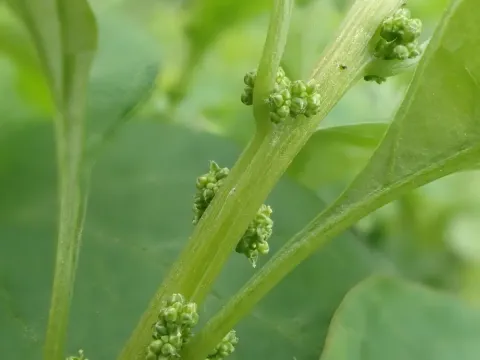
Lipandra
Lipandra
Lipandra is a botanical genus within the Amaranthaceae family that requires well-prepared seedbeds to ensure successful germination and seedling establishment.
What the section contains

Lipandra
The optimal planting time is in late spring, once the soil temperature has consistently risen above 12 degrees Celsius to support rapid physiological growth.
Seeds should be sown shallowly, ideally at a depth of 1 to 2 centimeters, and covered lightly with fine soil to maintain moisture without hindering emergence.
Precision seeding methods are recommended to maintain consistent plant spacing, which optimizes light penetration and airflow across the entire field.
Soil moisture levels must be monitored closely during the first two weeks post-sowing to prevent the drying out of delicate emerging seedlings.
The culture thrives in environments with high solar radiation, as light intensity is directly proportional to the accumulation of secondary metabolites.
Well-drained, fertile soils with a loose texture are essential for the development of a healthy root system and to prevent waterlogging symptoms.
While the plant demonstrates resilience, supplemental irrigation during dry summer spells significantly improves biomass production and crop quality.
Soil pH should be managed to remain within the 6.5 to 7.5 range, ensuring optimal nutrient availability for essential growth phases.
Regular cultivation of inter-row spaces helps manage weeds and improves soil aeration, which is vital for vigorous development in Lipandra crops.
Fungal diseases like powdery mildew can appear in dense, poorly ventilated stands, necessitating proactive monitoring and proper field management practices.
Insect pests, such as aphids or leaf miners, may occasionally affect young foliage, potentially reducing the overall quality of the harvested material.
Root rot represents a significant risk if the soil remains excessively saturated or if the area suffers from poor drainage during the growing season.
Integrated Pest Management (IPM) strategies, including rotation and biological controls, are preferred over synthetic pesticides to preserve environmental health.
Early detection through frequent field inspections allows agronomists to isolate affected patches and prevent the widespread transmission of pathogens.
The optimal harvest window occurs during the full bloom stage, as this is when the chemical profile of the plant is most stable and highly concentrated.
Harvesting is generally performed by cutting the aerial parts of the plants, ideally early in the day after the morning dew has evaporated.
Post-harvest processing involves drying the plant material in well-ventilated, shaded facilities to maintain the structural integrity of the leaves and stems.
Proper drying temperatures, usually kept below 40 degrees Celsius, are crucial for preserving the delicate essential oils present within the plant tissue.
Once dried to the desired moisture level, the product should be stored in cool, dark, and dry conditions to prevent degradation of quality over time.