
Manyseed goosefoot
Lipandra polysperma
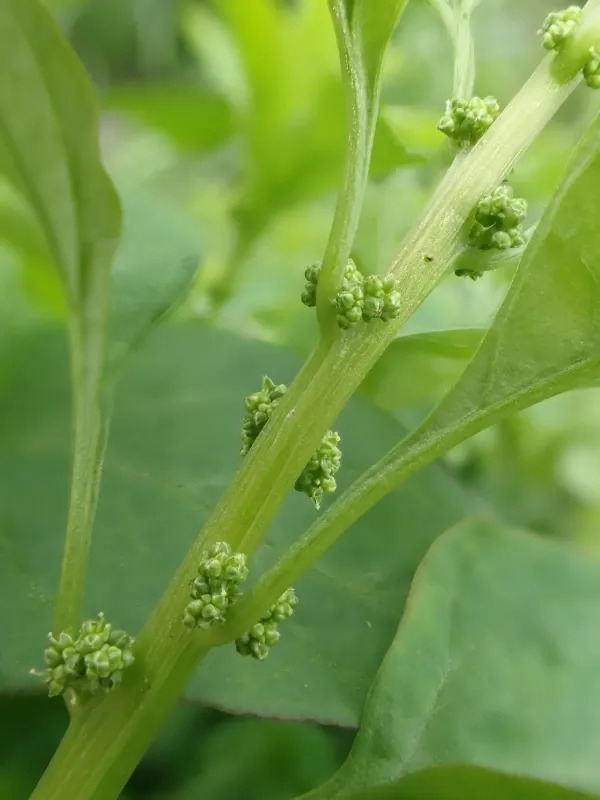
Description
Sowing dates
Manyseed goosefoot is an annual plant that typically germinates in early spring once soil temperatures reach a threshold of 6–8 °C.
The main emergence of seedlings usually aligns with the early sowing window for cereal crops in temperate climatic zones.
Its seeds possess high longevity within the soil profile, ensuring the species can re-emerge over several growing seasons.
Shallow burial depths are preferred for successful germination, allowing the seedlings to establish quickly in open field conditions.
Optimal timing for development is supported by long daylight hours, which trigger the plant's transition to the flowering stage.
Growing requirements
As a member of the Amaranthaceae family, this plant thrives in fertile, well-drained soils that offer plenty of available nitrogen.
It exhibits high environmental plasticity, adapting well to a variety of soil types ranging from sandy loams to heavier clay compositions.
Moisture availability during the vegetative stage is a key factor for achieving maximum plant height and biomass production.
The species prefers mild to warm climates, showing high resilience to fluctuating temperatures throughout the spring and summer months.
Proper soil aeration is essential for the root development of the plant, especially in areas subjected to frequent mechanical cultivation.
Yield
The reproductive capacity of manyseed goosefoot is significant, with each plant capable of producing a vast number of seeds.
This high fecundity makes the species a major component in the seed bank of fields where agricultural practices are not strictly managed.
Green biomass production can be substantial under favorable nutrient and moisture conditions, contributing to the overall field cover.
Yield parameters are highly dependent on the level of competition for resources in the agro-ecosystem where the plant is established.
Effective management and timely intervention can significantly influence the density and biomass potential of the plants in a specific season.
Main diseases and pests
Fungal infections, such as downy mildew and rusts, are among the most common threats that can compromise the health of the plant.
Insects like leaf beetles can cause damage to the foliage, thereby reducing the plant's overall photosynthetic efficiency.
The plant may act as an alternative host for viruses that target economic crops like sugar beets, posing a risk in agricultural environments.
Integrated pest management strategies are recommended to mitigate the impact of both fungal pathogens and insect infestations.
Maintaining crop rotation and using certified seeds can effectively prevent the establishment of high-density populations of this species.
Harvesting
Harvesting for biomass purposes should ideally take place before the onset of the flowering stage to maximize nutrient quality.
Mechanical harvesting requires careful adjustment of equipment to prevent the loss of fine material during the gathering process.
Drying the harvested material in well-ventilated areas is critical to prevent the proliferation of moisture-related mold and degradation.
The processed material should be stored in cool, dry conditions to maintain its structural integrity for subsequent agricultural usage.
Proper cleaning and post-harvest management help to eliminate potential pathogens or pests that may be attached to the harvested tissues.