
Gomphrena serrata
Gomphrena serrata L.
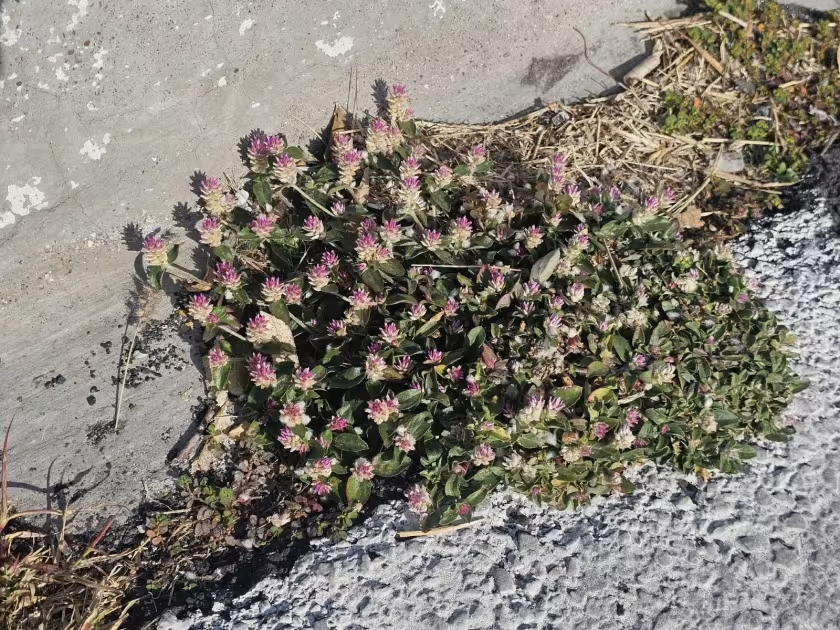
Description
Sowing dates
Gomphrena serrata is a warmth-loving crop, making it ideal for planting in late spring once the threat of frost has completely passed. In regions with shorter growing seasons, starting seeds indoors 6 to 8 weeks before the last frost date is highly recommended.
The seeds possess a hard coat, so soaking them in water for 24 hours prior to planting significantly improves germination rates. Sow the seeds at a shallow depth of about 0.5 to 1 centimeter in a well-draining seed-starting mix.
Maintaining a constant soil temperature between 20°C and 25°C is critical for successful emergence. Once the seedlings reach a height of 5 to 10 centimeters and produce at least two true leaves, they can be hardened off before transplanting.
Transplanting into the permanent site should occur when soil temperatures have reached at least 15°C. Space the plants 20–30 centimeters apart to ensure adequate airflow and prevent the development of foliage diseases.
Direct sowing in the field is possible in tropical and subtropical climates. Ensure the seedbed is finely tilled and free of perennial weeds, as the seedlings of Gomphrena serrata can be initially outcompeted by aggressive weeds.
Growing requirements
As a member of the Amaranthaceae family, Gomphrena serrata thrives in full sun exposure. At least 6 to 8 hours of direct sunlight per day are required to produce healthy, vibrant flower heads and prevent legginess.
The crop is highly adaptable to various soil types, but it performs best in sandy loam with excellent drainage. Waterlogging is the primary cause of root failure in this species; thus, proper soil structure is essential.
The plant demonstrates significant tolerance to heat and moderate drought conditions. While it is hardy in arid environments, consistent moisture during the early vegetative stage promotes stronger stems and higher flower yields.
Neutral to slightly alkaline soil pH is preferred. Avoid excessive application of high-nitrogen fertilizers, which tend to encourage leafy growth at the expense of floral development and overall plant sturdiness.
Providing a balanced mineral fertilizer at the time of transplanting is usually sufficient. Further fertilization is typically unnecessary unless the soil is severely nutrient-depleted, as Gomphrena is quite efficient at extracting available nutrients.
Main diseases and pests
Root rot caused by Rhizoctonia or Pythium species is the most common threat, usually resulting from over-irrigation or heavy, clay-based soils that retain too much moisture. Improving drainage is the primary method of prevention.
Aphids are frequent pests on the tender terminal shoots. They can cause stunted growth and deformed flowers, and they are also known vectors for various plant viruses that affect Amaranthaceae species.
Spider mites may become problematic during periods of prolonged hot and dry weather. Regular misting of the foliage or the use of horticultural oils can effectively manage mite populations before they reach economic damage thresholds.
Powdery mildew can occur in conditions of high humidity combined with stagnant airflow. Ensuring proper plant spacing and choosing resistant varieties are the best cultural practices to mitigate this risk.
- Monitor for signs of chlorosis or leaf spots weekly.
- Practice crop rotation to prevent soil-borne pathogen buildup.
- Remove any infected plant tissue immediately to contain outbreaks.
- Use systemic insecticides only when pest populations exceed acceptable levels.
Harvesting
The harvest for fresh cut flowers should be timed when the flower heads are fully open and firm to the touch. Cutting at this stage ensures the longest vase life and prevents premature wilting of the delicate stems.
For dried flower production, harvest when the flowers are at their peak color intensity. Suspend the stems upside down in a dark, dry, and well-ventilated space to preserve the structural integrity and vibrant hue of the bracts.
Seed harvesting requires leaving a portion of the crop untouched until the flower heads turn brown and become dry. Once dry, they can be collected and threshed to separate the seeds from the chaff.
Commercially, Gomphrena serrata is valued for its uniformity and high productivity per square meter. Regular deadheading of spent flowers throughout the season is advised if the objective is to maximize the flowering window.
Storage of the harvested seeds should be in airtight containers kept in a cool, dark environment to maintain viability. Properly stored seeds can remain productive for up to four years, facilitating long-term crop planning.