
Gomphrena haageana
Gomphrena haageana Klotzsch
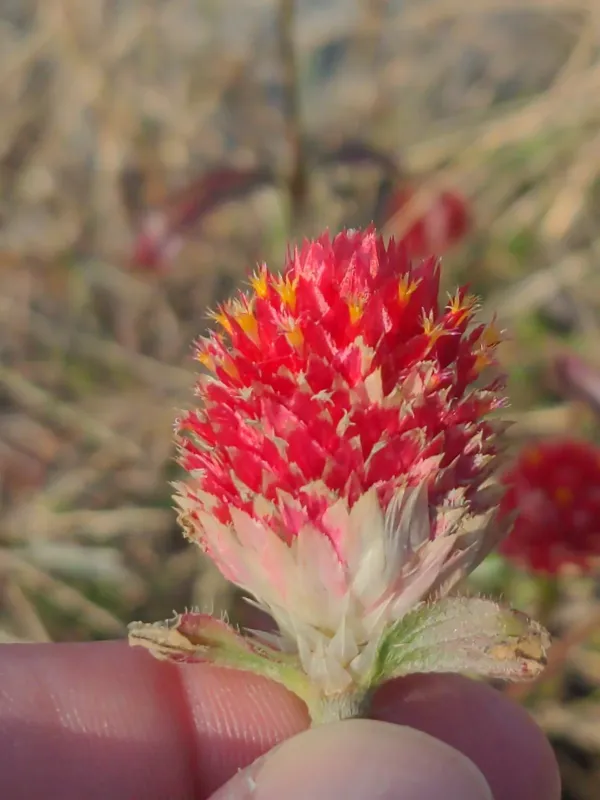
Description
Sowing dates
Gomphrena haageana is a heat-loving plant, making the seedling method the most effective approach for cultivation in temperate climates. Sowing should commence in March or early April, maintaining a steady temperature of 20–22 degrees Celsius to ensure successful germination.
Given the hard seed coat, scarification or pre-soaking in growth stimulants is recommended to accelerate germination. A light, loose, and well-drained soil medium is essential to prevent seedling damp-off during the initial growth stages.
Pricking out occurs at the two-leaf stage into individual containers. The transfer to outdoor soil must only happen after the danger of frost has passed, as this species is highly sensitive to cold, which can stunt its development significantly.
Planting spacing is typically 20–25 centimeters apart, which supports healthy air circulation. When grown for commercial flower cutting, slight density adjustment is used to encourage longer stems, though over-crowding must be avoided to maintain plant vigor.
Direct sowing in the field is only suitable for regions with long, warm growing seasons. Seeds can be sown once the soil temperature is reliably above 15 degrees Celsius, providing the ground is sufficiently prepared and weed-free.
Growing requirements
As a member of the Amaranthaceae family, this species is noted for its exceptional drought tolerance and preference for full, direct sunlight. Choosing an open, wind-protected site is critical for optimal growth and high-quality floral output.
The plant performs best in fertile, sandy loam or well-drained loamy soils with a neutral to slightly alkaline pH. Drainage is the most important factor, as the species does not tolerate waterlogged conditions, which lead to root rot.
Consistent, moderate watering is required throughout the growing season. While established plants can withstand short periods of drought, regular moisture is necessary for sustained blooming and the production of robust, long-lasting flower heads.
Fertilization should be handled with care, using a balanced fertilizer low in nitrogen. Excessive nitrogen promotes vegetative growth at the expense of floral development, leading to fewer blooms and reduced ornamental quality.
Heat resistance is a hallmark of Gomphrena haageana, making it an excellent candidate for landscapes in high-temperature zones. It maintains its color intensity and structural integrity even under intense summer sun when other plants might wilt.
Main diseases and pests
Fungal diseases are the primary threat, often resulting from poor agricultural management such as over-watering or insufficient ventilation. Powdery mildew, appearing as white patches on the foliage, is a common issue that requires immediate attention.
Root rot is a severe concern in poorly drained or heavy clay soils. Prevention is key; it involves ensuring proper site selection and adhering to a strict irrigation schedule that avoids water accumulation around the crown.
Common pests include aphids and spider mites, particularly during prolonged dry spells. Regular monitoring of the underside of the leaves is crucial for early detection and the timely application of appropriate insecticide or miticide treatments.
In humid conditions, gray mold may attack the flower heads. Sanitary measures, such as removing affected plant parts and thinning the planting rows to improve airflow, are essential to minimize the spread of these pathogens.
Integrated pest management, including the use of biological agents, is recommended to keep the plants healthy without relying exclusively on chemical treatments, preserving the ecosystem around the flower bed.
Harvesting
The economic value of this crop is primarily found in its use as a high-quality dried flower. Harvest should take place when the flowers are fully expanded and have reached peak color intensity but before they begin to fade.
Stems should be cut in dry, sunny weather. For drying purposes, the stems are bundled and hung upside down in a dark, well-ventilated area. This prevents UV damage to the pigments and ensures the flowers retain their vibrant hue.
The dried product is highly valued in the floral industry for winter bouquets, wreaths, and interior decorations. The flowers retain their rigid structure and vibrant color for many months, making them a durable and long-lasting commercial commodity.
Continuous harvesting throughout the summer and early autumn is possible, as the plant will produce multiple flushes of blooms if properly maintained. Regular cutting stimulates new growth and increases total seasonal yield.
Sorting by head size and color consistency is essential for professional market presentation. Properly dried Gomphrena is a popular staple for artisans and floral designers looking for reliable, long-lasting botanical materials.