
Globe amaranth
Gomphrena globosa L.
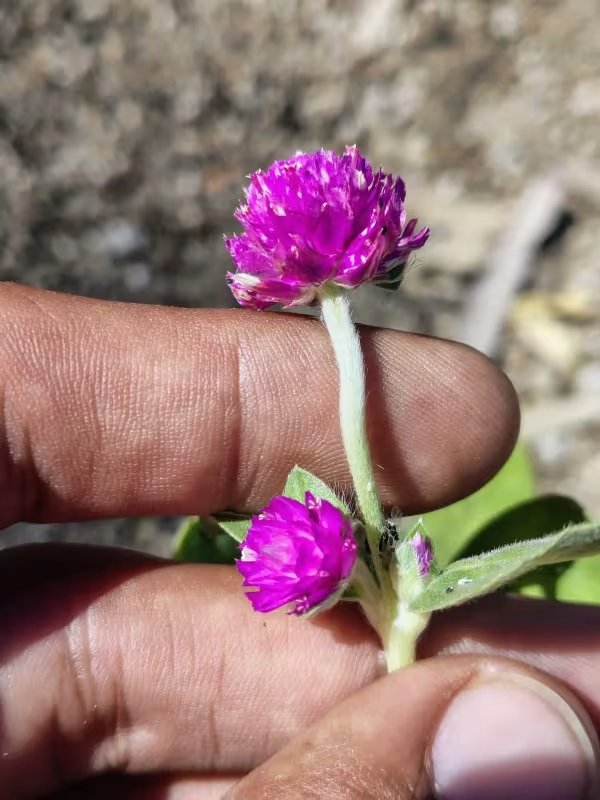
Description
Sowing dates
Gomphrena globosa is a heat-loving annual crop belonging to the Amaranthaceae family, native to tropical regions of the Americas. In temperate climates, seeds are started indoors in late March or early April.
Germination can be slow, so pre-soaking seeds in warm water or growth stimulants is recommended to increase uniformity and speed up the emergence of seedlings.
Seedlings should be transplanted into individual pots at the two-leaf stage to ensure the development of a robust root system before moving to the field.
Field planting occurs only after the last frost risk has passed and the soil has warmed up significantly, typically by late May or early June.
Optimal planting spacing is about 20–25 centimeters between plants, which promotes proper air circulation and reduces the risk of fungal infections.
Growing requirements
This crop thrives in full sun and requires well-drained, fertile soil. It is particularly sensitive to soil compaction and waterlogging, which can easily damage the root system.
The ideal pH level for Globe amaranth is slightly acidic to neutral. Soil preparation should include the incorporation of organic matter to improve structure and water retention.
While the plant exhibits moderate drought tolerance, consistent moisture is necessary to achieve high-quality yields of flowers during the peak growing season.
Temperatures should be consistently warm for the plant to reach its full potential. Cold spells can stunt growth and significantly reduce the number of flower heads produced.
Regular fertilization with balanced nutrients is encouraged, though nitrogen should be kept at moderate levels to prevent excessive vegetative growth at the expense of flowering.
Main diseases and pests
The primary threats to Globe amaranth include fungal pathogens such as powdery mildew and various root rots, which are often caused by poor drainage or excessive humidity.
Pests such as aphids and spider mites can infest the foliage, particularly under hot and dry conditions, leading to plant stress and reduced market quality.
Integrated pest management, including regular crop scouting and the timely application of approved pesticides, is essential for large-scale agricultural production.
Cultural practices like maintaining proper row spacing and avoiding overhead irrigation can significantly mitigate the risk of disease spread in commercial plantings.
Early identification of signs of pest damage is critical for successful control, allowing for targeted intervention before the harvest period is compromised.
Harvesting
Globe amaranth is widely recognized for its agricultural value as a premium dried flower. Harvest typically begins when the flower heads are fully matured and feel firm to the touch.
Stems should be cut in the early morning after the dew has evaporated, ensuring the flowers are completely dry to prevent post-harvest mold development.
After harvest, stems are tied into small bunches and hung upside down in a well-ventilated, shaded environment to dry thoroughly over several days.
Properly processed flowers retain their vibrant colors and globular shape for extended periods, making them highly sought after in the floral design and export markets.
Strategic harvesting helps encourage the plant to produce a second flush of blooms, thereby maximizing the total seasonal output of the crop.