
Gomphrena leontopodioides
Gomphrena leontopodioides Domin
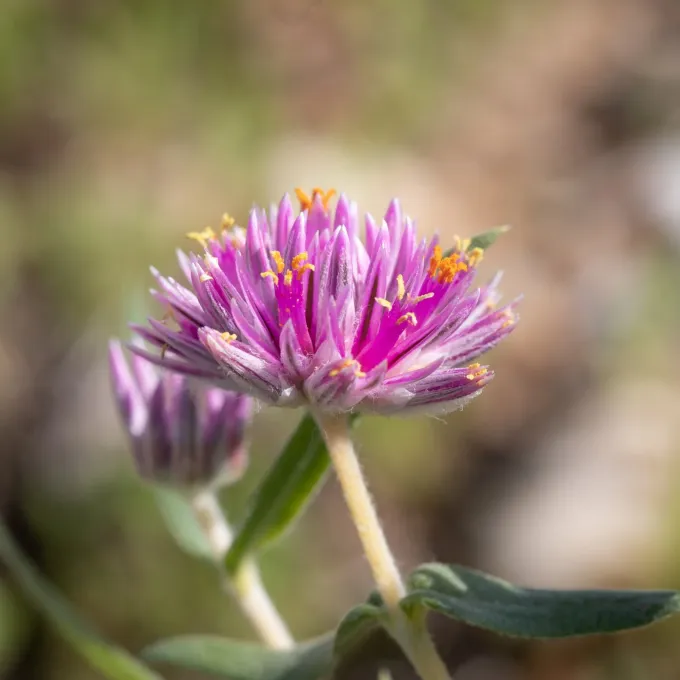
Description
Sowing dates
Gomphrena leontopodioides belongs to the Amaranthaceae family and is recognized for its unique appearance, which resembles high-altitude flora. Propagation is primarily done via seeds.
Seeds should be sown in late winter or early spring using a well-draining seed-starting mix. Maintaining a consistent temperature of around 20-22 degrees Celsius is crucial for germination.
Seedlings need to be transplanted into individual pots once they reach a suitable size, ensuring that the root system is handled with care to avoid transplant shock.
Before moving the plants outdoors, a hardening-off period of at least one week is recommended to acclimatize them to external environmental conditions and UV light.
The final planting distance should be approximately 30 centimeters apart to promote airflow and prevent the development of fungal infections in the foliage.
Growing requirements
This species thrives in full sun, requiring at least six to eight hours of direct sunlight daily to produce vibrant and dense inflorescences throughout the season.
Well-drained soil is a strict requirement for this crop. It performs best in sandy or loamy soils with a slightly acidic to neutral pH level, avoiding heavy clay substrates.
While the plant is known for its moderate drought tolerance, regular watering during the first stages of growth is necessary to establish a deep and resilient root system.
Avoid excessive fertilization, as high levels of nitrogen can lead to lush vegetative growth but may significantly decrease the number and intensity of the blooms.
The climate should be warm; the plant does not tolerate frost and will suffer damage if exposed to temperatures dropping significantly below the seasonal average.
Main diseases and pests
Root rot is the most common threat, usually triggered by overwatering or soil conditions that do not allow for rapid water drainage away from the crown of the plant.
In humid conditions, powdery mildew can appear on the foliage. Ensuring proper spacing between plants is the most effective cultural method to mitigate this risk.
Aphids and spider mites are typical pests that can cause stunted growth if infestations are not managed early in the development phase of the plant.
Regular inspection of the undersides of the leaves is advised to detect pest populations early, allowing for targeted and minimal intervention with pesticides.
Integrated pest management strategies, such as using beneficial insects, can be successfully applied to maintain the health of the crop in a decorative setting.
Harvesting
Harvesting the inflorescences should occur during the peak of flowering, just before the blossoms begin to show any signs of senescence or browning.
It is best to cut the stems in the morning after the dew has evaporated, as this ensures the lowest moisture content within the plant tissue for better drying.
The stems should be bundled and hung upside down in a cool, dark, and well-ventilated area to ensure they retain their natural color and structural integrity.
Proper drying time varies depending on environmental humidity, but usually, it takes about two weeks until the flowers are fully prepared for long-term storage.
The longevity of the harvested material makes this plant an excellent choice for crafting decorative bouquets and various artistic floral arrangements.