
Gomphrena pulchella
Gomphrena pulchella Mart.
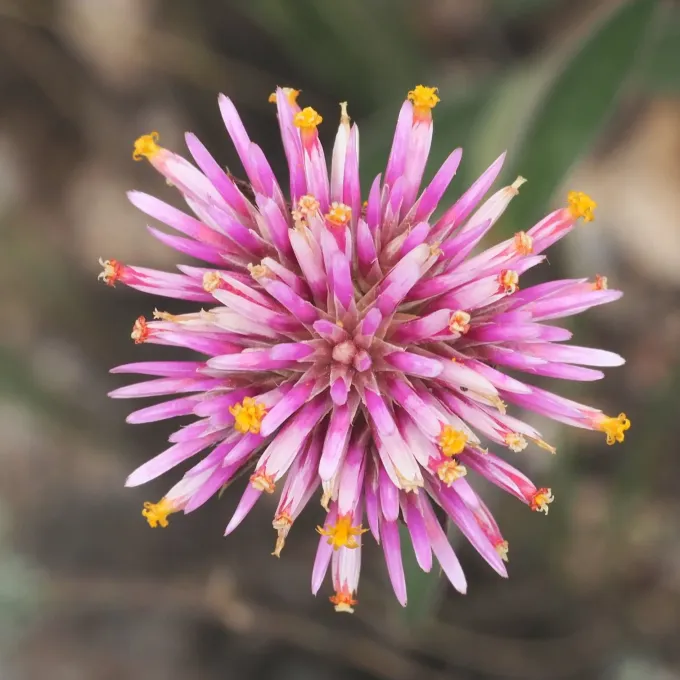
Description
Sowing dates
Gomphrena pulchella is typically propagated through seeds sown in greenhouses or indoors during early spring. For optimal germination, maintain a soil temperature between 20 and 22 degrees Celsius in a well-lit environment.
Seedlings emerge within 10 to 14 days and require careful monitoring to prevent damping-off, a common fungal issue. Ensuring proper airflow and moderate moisture levels at this stage is crucial for the development of healthy young plants.
Pricking out the seedlings into individual pots is performed once the first pair of true leaves appears. This practice encourages a robust root system and helps the plant withstand the eventual transplanting into the garden beds.
Hardening off the plants for at least two weeks before transplanting is essential to acclimatize them to outdoor conditions. Transplanting should only occur after the risk of frost has completely passed and the soil has warmed up.
Space the plants approximately 25 to 30 centimeters apart to allow for proper foliage expansion and air circulation. Proper spacing significantly reduces the risk of humidity-related pathogens within the dense canopy.
Growing requirements
Belonging to the Amaranthaceae family, this species thrives in warm, sunny environments with full exposure to sunlight. It is highly valued for its heat tolerance and ability to maintain structural integrity under intense sun.
The ideal soil for Gomphrena pulchella is light, well-draining, and slightly acidic to neutral in pH. Avoid rich, overly fertilized soils, as excessive nitrogen often leads to profuse foliage growth at the expense of flower production.
Watering should be consistent but moderate, allowing the top layer of soil to dry out between sessions. The plant is drought-tolerant once established, making it suitable for low-maintenance garden designs in hot regions.
Regular maintenance involves keeping the area free of weeds and occasionally loosening the topsoil to improve aeration. Fertilizer application should be minimal and focused on balanced, low-nitrogen formulas to support blooming.
The plant requires temperatures around 20–25 degrees Celsius for active development. Cooler temperatures below 10 degrees Celsius can stall growth and decrease the longevity of the flowering phase.
Main diseases and pests
The primary threats to this culture are fungal infections, such as powdery mildew, which thrive in conditions of high humidity and poor ventilation. Keeping the foliage dry and providing space between plants effectively mitigates these risks.
Root rot is a common issue resulting from overwatering or inadequate soil drainage. It is critical to ensure that the planting site has good permeability to prevent the accumulation of standing water around the roots.
Pests such as aphids and spider mites may occasionally infest the plants, particularly during dry, hot weather. Early detection via regular inspection is the most effective strategy for managing these potential infestations.
Caterpillars of certain lepidopteran species can occasionally damage the leaves and flowers. In such cases, the application of safe, biological insecticides or manual removal may be necessary to preserve the plant's aesthetic value.
To prevent the buildup of soil-borne pathogens or nematodes, avoid planting the species in the same location year after year. Implementing a 3 to 4-year crop rotation cycle is recommended for long-term health.
Harvesting
Harvesting for dried flower use should occur when the flower heads are fully developed but not yet beginning to senesce. Cutting on a dry, sunny day ensures that the flowers retain their quality during the drying process.
Tie the stems into loose bundles and hang them upside down in a shaded, well-ventilated location. This technique preserves the vibrant colors of the bracts and keeps the flower heads straight during the drying period.
For seed collection, allow selected plants to remain in the field until the seeds are fully mature. Store the collected seeds in a cool, dry place within paper envelopes to maintain their viability for the following season.
In floral design, the cut stems serve as long-lasting elements in both fresh and dried arrangements. Their unique texture and resistance to color fading make them highly desirable for professional floristry.
Properly dried, the stems of Gomphrena pulchella can last for over a year without losing their appeal. They are frequently used in wreaths, decorative bouquets, and as accent pieces in interior design projects.