
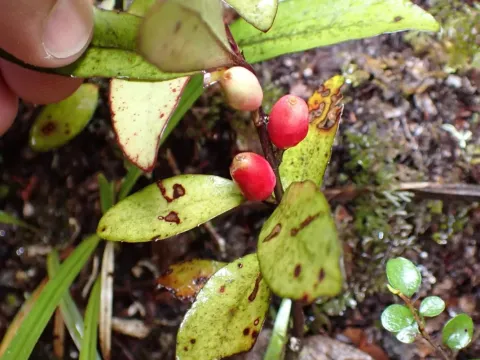
Alseuosmia
Alseuosmia
Alseuosmia is a genus of evergreen shrubs belonging to the Alseuosmiaceae family. These plants are native to New Zealand, where they naturally flourish in the shaded, moisture-rich understory of indigenous forests.
What the section contains


Alseuosmia
The cultural requirements for this plant focus on soil quality. They thrive in acidic, well-draining, and humus-rich environments. It is essential to ensure that the soil remains aerated, as root suffocation is a primary cause of plant decline in non-native settings.
Regarding climate, Alseuosmia prefers cool, temperate conditions with high ambient humidity. Direct sunlight should be avoided to prevent foliar scorched patches. The plants are sensitive to extreme temperatures and require protection from frost and intense, drying wind.
Maintenance involves precise irrigation management. The soil should be kept consistently moist but never waterlogged. Fertilization should be mild and infrequent, utilizing organic matter to mimic the natural forest floor nutrient cycle without overwhelming the plant with concentrated salts.
The economic and horticultural value of Alseuosmia is primarily centered on its ornamental beauty and sweet-scented flowers. It is highly regarded by collectors for its unique botanical profile and potential for inclusion in specialized shaded garden designs.
The health of the crop is frequently challenged by fungal infections, particularly Phytophthora, which thrives in poorly drained soils. Implementing proper drainage systems and avoiding waterlogging is the most effective preventative measure against these threats.
Common horticultural pests such as mealybugs and spider mites are known to infest Alseuosmia, especially in greenhouse or indoor environments. Regular inspection and maintaining optimal humidity levels help to keep these pest populations under control.