
Alseuosmia macrophylla
Alseuosmia macrophylla
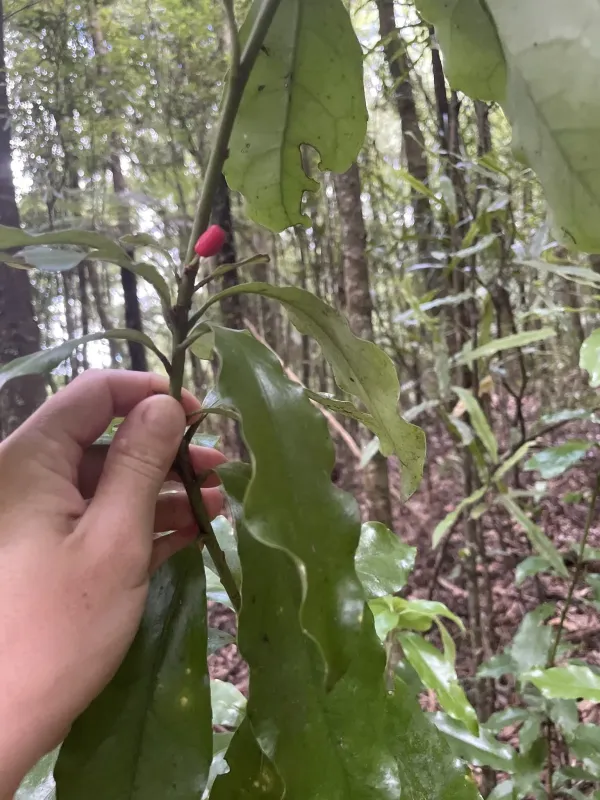
Description
Growing requirements
Alseuosmia macrophylla is a distinctive evergreen shrub belonging to the Alseuosmiaceae family. Native to New Zealand, it is commonly found in the shady understory of temperate rainforests, where it benefits from high humidity and stable microclimates.
This species thrives in partial to full shade. Direct exposure to intense sunlight can scorch the foliage and dry out the root system, which is why gardeners often place it under the canopy of larger, protective trees or in north-facing garden borders.
Soil requirements focus on high organic matter content, excellent drainage, and a slightly acidic pH. Incorporating leaf mold or well-rotted compost into the planting hole helps mimic the natural forest floor conditions necessary for healthy root growth.
The plant is not tolerant of hard frosts. In cultivation, it is best suited for sheltered gardens or as a container specimen. Keeping the plant in a pot allows for easy relocation to a greenhouse or frost-free area during the colder winter months.
Watering management is critical for the long-term vitality of the shrub. The goal is to keep the growing medium consistently moist without creating waterlogged conditions. During the growing season, a balanced liquid fertilizer applied sparingly supports leaf development.
Main diseases and pests
Fungal issues represent the primary threat to the health of Alseuosmia macrophylla. Overwatering is the most frequent trigger for root rot, a condition that quickly compromises the entire plant if left unaddressed by correcting drainage.
Scale insects and mealybugs are the most persistent pests encountered. These insects cluster along stems and the undersides of leaves, weakening the shrub by extracting sap and producing honeydew, which can further lead to sooty mold growth.
Spider mites are a common risk, particularly when the shrub is kept in indoor environments with dry air. Regular monitoring and misting help keep mite populations at bay before they reach damaging levels that require chemical intervention.
Maintaining good air circulation is essential for preventing foliar diseases. If signs of fungal infection appear, such as spots or wilting, affected leaves should be pruned away, and the humidity levels around the plant should be temporarily reduced.
While the plant is generally robust, slugs and snails may target the tender new growth during wet weather. Utilizing physical barriers such as copper tape or organic slug pellets around the base of the plant can provide effective protection.