
Alseuosmia banksii
Alseuosmia banksii
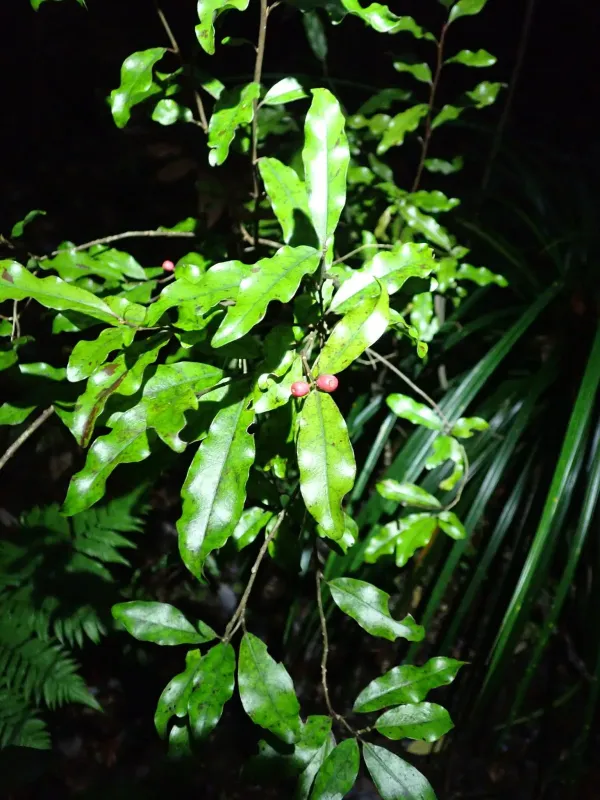
Description
Growing requirements
Alseuosmia banksii is a rare, slow-growing evergreen shrub belonging to the Alseuosmiaceae family. Native to the North Island of New Zealand, it primarily inhabits the understory of temperate forests, thriving in shady and humid environments that provide natural protection.
Botanically, the plant is characterized by its glossy, dark green foliage and small, highly fragrant, tubular flowers. Its growth habit is typically shrubby and compact, making it a distinctive specimen for specialized collections rather than traditional mass-market agricultural use.
Successful cultivation requires soil that is rich in organic matter, well-drained, and slightly acidic. It is sensitive to environmental stressors, particularly desiccation; therefore, maintaining a consistently moist but never waterlogged soil is vital for the plant's long-term health.
This species demands a cool, sheltered position, ideally in partial or full shade. Direct exposure to intense sun or drying winds should be avoided at all costs. In cultivation, it performs best in sheltered gardens or controlled conservatory environments where temperature and humidity are managed.
The primary use of Alseuosmia banksii is in high-end ornamental horticulture and botanical conservation. Due to its limited natural range and slow growth rate, it is frequently propagated by botanical enthusiasts who focus on native New Zealand species and rare plant cultivation.
Main diseases and pests
Common health threats include root rot pathogens, which are favored by poorly draining soils or excessive irrigation. When maintained in indoor settings, the foliage is susceptible to sap-sucking pests like spider mites, necessitating careful observation and integrated pest management practices.