
Alseuosmia pusilla
Alseuosmia pusilla
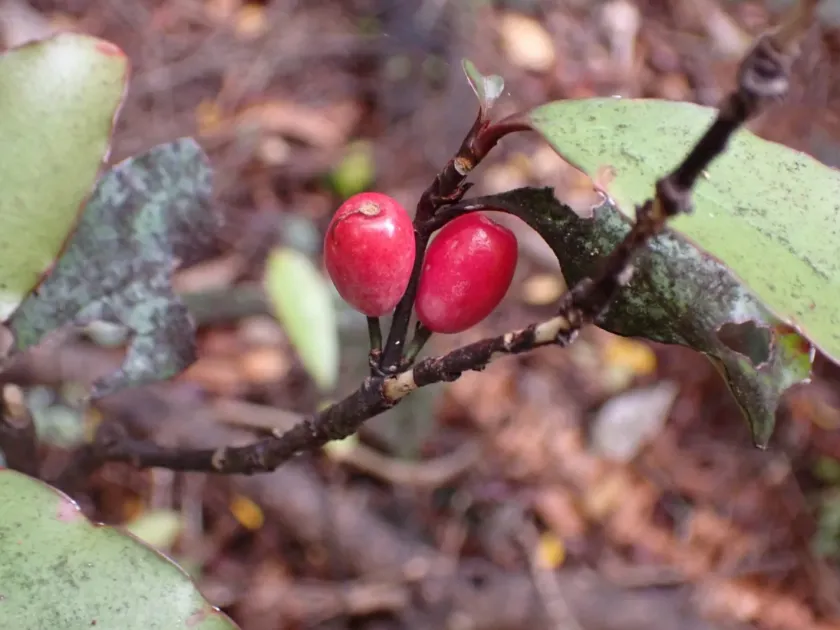
Description
Growing requirements
Alseuosmia pusilla is a small, evergreen shrub belonging to the Alseuosmiaceae family. Known for its distinct low-growing habit, this species is highly valued by botanists for its unique appearance within the New Zealand indigenous flora.
The plant is native to the forests of the North Island, where it typically thrives in the damp, shaded environment of the forest understory. It is perfectly adapted to conditions with low light levels and high atmospheric moisture.
Successful cultivation requires a location that mimics its native habitat, specifically a sheltered spot in the garden that avoids direct exposure to harsh sun and drying winds.
The soil should be rich in organic matter, slightly acidic, and well-draining. While the plant loves moisture, it cannot tolerate waterlogged soils, which can lead to rapid decay of the root system.
Essential maintenance includes applying leaf mold or organic mulch around the base of the shrub. This practice helps maintain soil temperature stability and preserves the moisture levels necessary for its healthy growth.
Main diseases and pests
The primary threats to this species include soil-borne pathogens that thrive in consistently damp conditions. Ensuring excellent soil aeration is vital to prevent root rot.
Pests such as aphids and spider mites can occasionally affect the plant, particularly if the specimen is stressed by improper light or temperature conditions.
Competition from fast-growing weeds and invasive species poses a significant risk to the plant's development, as it is a slow-growing shrub that requires a clean environment to thrive.
Maintaining a regular health monitoring schedule allows for the early detection of pests, enabling the use of soft horticultural oils to manage infestations without chemical stress.
Poor circulation in confined cultivation areas increases the risk of mold and mildew, so spacing and proper site selection remain the most important preventative measures.