
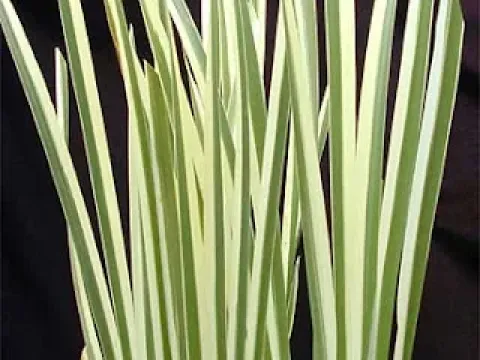
Acorus hybrids
Acorus hybrids
Acorus hybrids represent a group of perennial aquatic plants belonging to the Acoraceae family. These plants are valued for their distinctive grass-like appearance and aromatic foliage, making them popular in garden ponds and wetlands.
What the section contains
Acorus hybrids
The plant thrives in moist, boggy, or aquatic environments. Ideal planting depth ranges from shallow mud to water depths of up to 15 centimeters, ensuring the roots remain constantly hydrated.
Soil requirements include nutrient-rich, organic-heavy sediments. In a pond setting, planting in baskets filled with heavy loam or clay-based compost is recommended to ensure strong root development.
These hybrids prefer full sun for best color and vigor, but they can tolerate partial shade. Proper light exposure is essential for maintaining the dense, clumping habit of the leaves.
Maintenance involves dividing the clumps every few years to prevent overcrowding. This process is simple and ensures that the plant remains healthy and productive within the aquatic landscape.
In terms of agricultural and horticultural yield, Acorus hybrids are primarily assessed by their growth density and the health of their rhizomes, which are used in traditional medicine and perfumery.
When grown for rhizome harvesting, plants are typically ready for extraction after three years of steady growth in rich, undisturbed sediment.
The yield of biomass is high under optimal conditions, as the plants are vigorous spreaders that can quickly cover available marshy areas.
Beyond medicinal use, the aesthetic yield of these plants is significant in water feature design, where they contribute to water filtration and habitat creation for aquatic fauna.
Regular monitoring ensures that the plant density remains optimal, maximizing both the decorative value and the potential biomass production.
Acorus hybrids are naturally resistant to many pests due to their potent essential oils, which act as a natural defense mechanism against insects and microbial threats.
However, rot can occur if the water becomes stagnant or if the plant is subjected to poor aeration, especially in highly organic, decaying environments.
Pests such as aphids or leaf-miners may occasionally affect the foliage, although they rarely pose a threat to the plant's long-term survival.
Water quality management is the primary defense strategy, as clean, moving water significantly reduces the risk of root pathogens.
By keeping the pond environment balanced and avoiding chemical contamination, growers can maintain healthy, thriving stands of these plants for many years.