
Achys
Achys
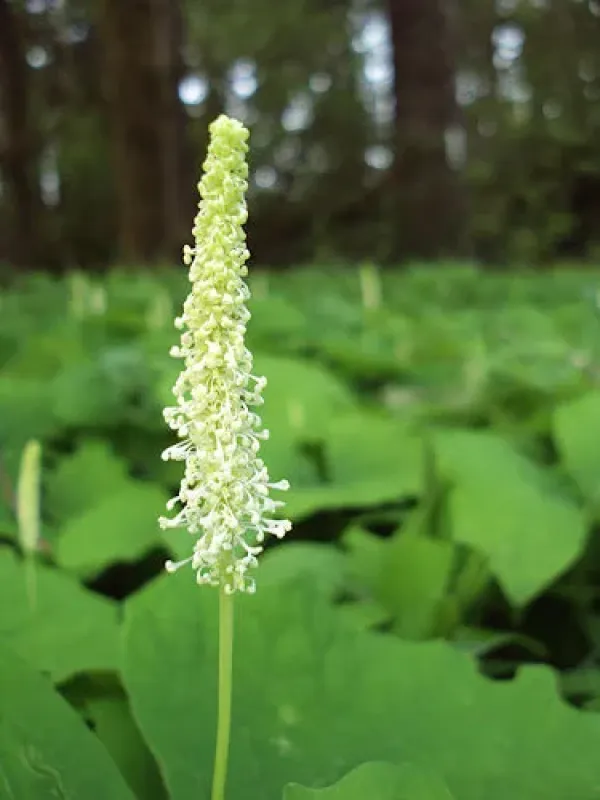
Description
Sowing dates
Sowing Achys requires careful soil preparation, as the seeds are extremely sensitive to soil density and planting depth. The optimal time for field operations is when the topsoil warms up to a stable 12–15 degrees Celsius.
In temperate climates, sowing is performed in rows, maintaining spacing that ensures free access of light to the root zone. It is important to avoid over-crowding the crops to prevent conditions that lead to excessive humidity in the lower plant tier.
To improve germination, it is recommended to calibrate and treat the seed material with specialized compounds. Planting depth usually does not exceed 3–4 centimeters, which allows sprouts to quickly break through to the surface.
After sowing, the soil must be lightly rolled to ensure better seed contact with capillary moisture. In the first weeks, it is crucial to ensure that no crust forms, as this may hinder uniform germination.
If herbicides are necessary during the initial stages, the choice of products must be strictly limited to regulations specific to this botanical group of plants.
Growing requirements
Achys is a crop that demands soil fertility and an adequate supply of mineral nutrients. The plant develops best on structural chernozems or sandy loam soils with a neutral pH level.
The plant has moderate drought tolerance, but a stable irrigation regime during the active vegetative growth phase is required for high yields. Excessive moisture, especially during the ripening period, can negatively affect the quality of the final product.
The light regime is crucial for Achys, as light deficiency makes stems weak and significantly reduces yields. The crop prefers open areas well-protected from strong winds that could damage fragile shoots.
The optimal temperature for vegetation is in the range of 20–25 degrees, and the plant handles short-term night cooling relatively well. However, prolonged frosts can lead to the complete death of the above-ground part of the crop.
During growth, it is important to regularly loosen the inter-rows, which ensures oxygen flow to the root system and prevents moisture loss from lower soil horizons.
Main diseases and pests
Achys is susceptible to typical agricultural pests, with various leaf-eating insects posing the greatest danger. Regular monitoring of the fields during morning hours is necessary for timely problem detection.
Among fungal diseases, root rots are common, occurring due to crop rotation violations and soil waterlogging. An effective preventive measure is the use of resistant varieties and adherence to proper fertilization practices.
Powdery mildew can affect leaves in conditions of high air humidity and poor ventilation. To prevent the spread of infection, it is recommended to remove affected plant parts and use targeted fungicides.
Sucking pests can act as vectors for viral diseases, making the control of aphids and mites a priority task in plant protection systems.
The use of biological plant protection products is becoming an increasingly popular choice for maintaining the ecological purity of the crop, especially in organic farming operations.