
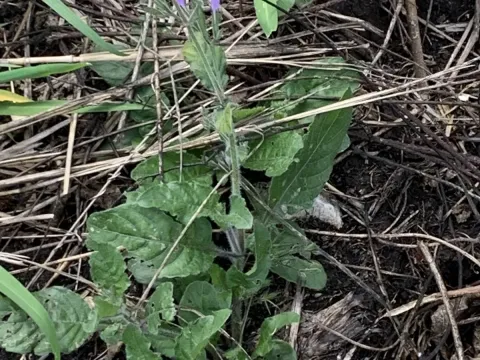
Ruellia occidentalis
Ruellia occidentalis
Ruellia occidentalis, a member of the Acanthaceae family, is a perennial herbaceous plant native to tropical regions where it thrives in humid environments.
What the section contains
Ruellia occidentalis
Propagation is typically performed via seeds, which should be sown in a well-draining, nutrient-rich potting medium to ensure rapid establishment.
Timing the sowing phase to coincide with increasing daylight hours is essential for healthy seedling growth and prevents etiolation of the young stems.
Seeds are shallowly buried, as they require minimal light for germination, and should be kept under constant, high humidity until emergence.
Post-emergence management involves gradual hardening of seedlings before transplanting them into their final growing location, whether in containers or open ground.
The plant thrives in bright, indirect light conditions, as excessive direct sunlight can cause leaf scorch, particularly in very hot tropical climates.
Soil requirements include high organic matter content and a slightly acidic to neutral pH range, ensuring optimal nutrient availability for the plant.
Watering must be regular and consistent; the substrate should remain moist but never waterlogged to avoid root suffocation and subsequent decay.
Temperature management is crucial, with the plant performing best between 18 and 28 degrees Celsius throughout the vegetative growth period.
Regular fertilization with balanced NPK nutrients ensures that the plant develops lush foliage and, if applicable, flowers throughout the growing season.
Spider mites are the most common pest observed in Ruellia occidentalis, especially in environments where humidity levels are insufficient during the heat.
Root rot caused by Phytophthora or Pythium species is a major threat, usually triggered by poor drainage or overwatering the growing substrate.
Powdery mildew can affect the leaves, particularly during periods of high humidity and poor airflow, necessitating prompt remedial measures.
Insects like whiteflies can settle on the plant, acting as vectors for viral pathogens, which necessitates the use of regular monitoring and trap systems.
Integrated pest management strategies should be adopted, prioritizing biological controls and cultural practices over the intensive use of synthetic chemicals.