
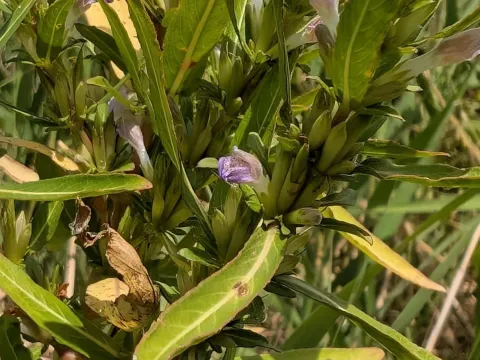
Hygrophila quadrivalvis
Hygrophila quadrivalvis
Hygrophila quadrivalvis is a robust herbaceous plant belonging to the Acanthaceae family. Originating from the tropical regions of Asia, it is primarily found in wetland habitats, riverbanks, and swampy areas where water availability remains constant throughout the year.
What the section contains
Hygrophila quadrivalvis
The botanical structure of the plant features distinct quadrilateral stems and opposite leaves. Its growth pattern is highly influenced by the substrate conditions, allowing it to adapt to both emersed and submersed environments depending on the agricultural production method used.
For successful cultivation, the soil or substrate must be nutrient-rich and slightly acidic to neutral. High organic content is essential to support the rapid vegetative growth that this species exhibits under optimal light and temperature conditions.
Climate requirements include a stable temperature range between 22°C and 28°C. This plant is sensitive to temperature drops, which can lead to metabolic deceleration or necrosis of the lower foliage, therefore stable greenhouse conditions are strongly recommended.
Agronomic management involves maintaining consistent moisture levels and providing balanced liquid fertilizers rich in nitrogen and iron. Proper air circulation is just as critical as soil moisture to ensure the healthy development of the dense leaf canopy.
The main disease threats to Hygrophila quadrivalvis include fungal root rot and leaf spot pathogens. These are primarily caused by excessive humidity combined with poor airflow, which creates a breeding ground for pathogenic fungi.
Pest pressures are typically exerted by aphids, spider mites, and sometimes scale insects. These pests feed on the sap of young stems, which can severely stunt the plant's growth and reduce the overall quality of the harvest.
To manage these threats, farmers should employ an integrated pest management (IPM) strategy, focusing on biological controls and manual removal of infested shoots during the early stages of a pest outbreak.
Sanitation practices are vital; all tools used for propagation or pruning should be disinfected between plants. Removing senescent or dead plant tissue prevents the spread of opportunistic pathogens in the greenhouse environment.
Ensuring that the plants are not overcrowded is a simple yet effective method to reduce the humidity around the stems, which naturally discourages the development of most fungal diseases and creates less favorable conditions for common pests.