
Hygrophila senegalensis
Hygrophila senegalensis
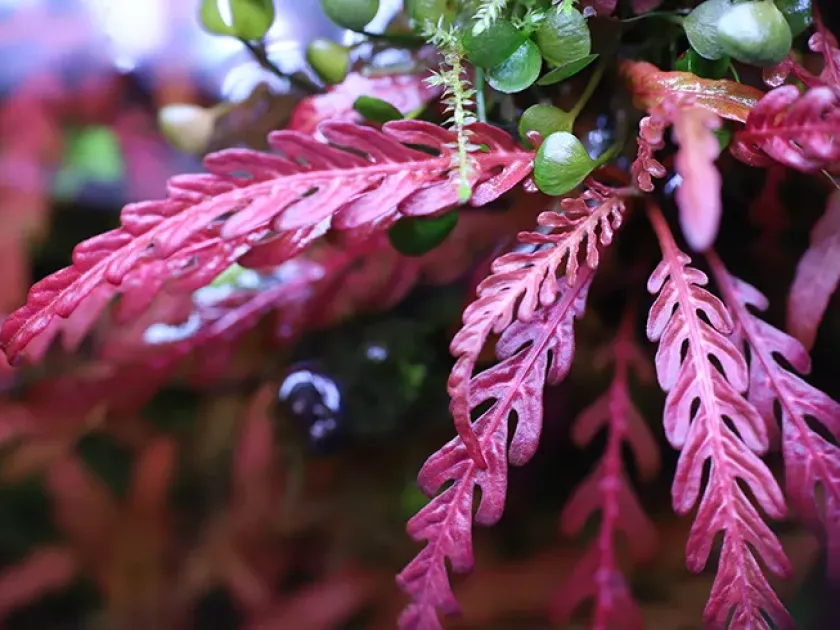
Description
Growing requirements
Hygrophila senegalensis is a striking aquatic plant belonging to the Acanthaceae family, native to the tropical wetlands of West Africa. Known for its distinct foliage and adaptable nature, it is a highly sought-after species for both aquariums and paludariums.
The plant features long, lance-shaped leaves that can display a range of colors from vibrant green to deep reddish-brown. This color intensity is primarily driven by the light spectrum and nutrient availability, making it an excellent indicator plant for the health of an aquatic system.
Successful cultivation requires intense lighting, usually provided by high-output LED or T5 lamps. Providing 10 to 12 hours of light per day is essential to keep the plant compact and to encourage the development of its signature reddish coloration in the leaves.
The substrate should be nutrient-rich, preferably a fine-grained mixture that facilitates root growth. Regular supplementation with iron-based fertilizers is crucial, as the plant is a heavy root feeder and relies heavily on the substrate for its structural integrity and color vibrancy.
Water parameters should remain stable, with a preferred temperature range of 22°C to 28°C. While it is tolerant of a variety of pH levels, it performs best in slightly acidic to neutral water. Consistent CO2 injection is highly recommended to promote robust growth and prevent stagnation.
Main diseases and pests
Nutrient deficiencies, particularly involving iron and potassium, are the most common challenges encountered during cultivation. These result in interveinal chlorosis, which can progress to necrosis if not addressed with targeted fertilizer dosing.
Algal blooms pose a significant threat, especially when lighting is excessive or the nutrient balance is mismanaged. Algae covering the leaves inhibit the plant's ability to photosynthesize, often leading to rapid decline and leaf drop.
Invertebrate pests, such as certain species of snails or crustaceans, can graze on the plant's tender apical meristems. Monitoring the aquarium environment and implementing integrated pest management strategies are vital for protecting the plant's growth points.
Poor water circulation can lead to the accumulation of waste products around the roots, potentially encouraging root rot. Ensuring adequate filtration and regular substrate maintenance helps maintain the health and vigor of the root system.
Environmental stress, such as sudden temperature drops or significant shifts in chemical parameters, can lead to leaf shedding. Maintaining stable conditions is the primary preventive measure against disease and physiological distress in this sensitive species.