
Hygrophila erecta
Hygrophila erecta
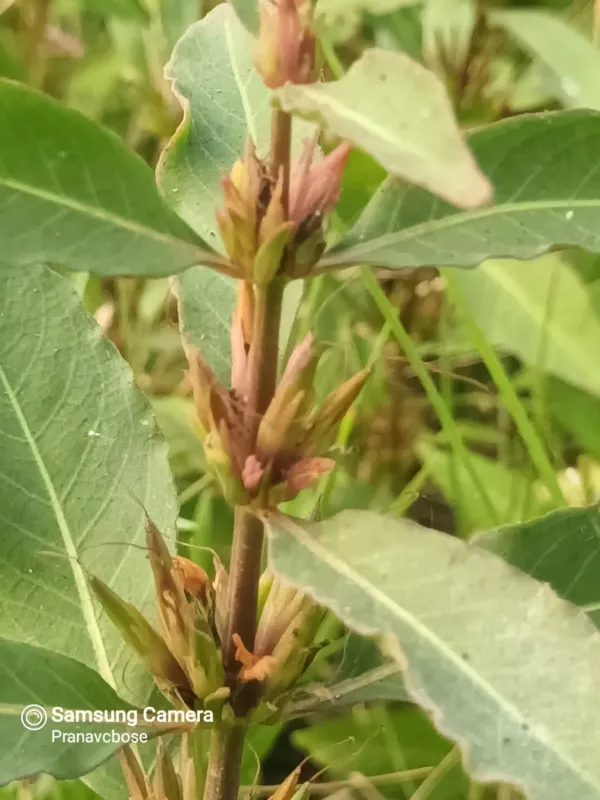
Description
Growing requirements
Hygrophila erecta is a distinct species belonging to the Acanthaceae family. Originally native to tropical regions of Asia and parts of Australia, this plant thrives in humid environments such as riverbanks and seasonally inundated wetland areas.
The plant is defined by its robust, erect stems and lanceolate leaves arranged in opposite pairs. In its natural habitat, it acts as a perennial herbaceous plant capable of adjusting its growth rate based on the availability of nutrients and solar exposure.
To cultivate this plant successfully, one must maintain temperatures between 22 and 28 degrees Celsius. Light intensity is a critical factor; the plant requires high light levels to maintain its characteristic structure and prevents the elongation of internodes.
The soil profile should be rich in organic matter and slightly acidic to neutral. High-quality substrate with an active cation exchange capacity is preferred to ensure that nutrients are readily available for the plant's active root system throughout the growing season.
Standard agronomic practices for this crop involve the precise application of macro and micronutrients. Iron supplementation is particularly important to maintain the vibrant leaf coloration and to prevent the common physiological decline associated with nutrient deficiencies.
Main diseases and pests
Fungal pathogens represent the most significant threat to the crop, particularly when moisture levels exceed the plant's capacity to absorb nutrients. These pathogens often target the stem base, leading to soft rot and eventual collapse of the entire structure.
Epiphytic algae pose a persistent threat by colonizing leaf surfaces. Once established, these algae compete for light and CO2, significantly hindering the plant's growth and potentially leading to the death of affected leaves.
Nutrient toxicity, specifically an overabundance of nitrates or phosphates, can destabilize the plant's metabolism. This often manifests as excessive growth of weak, brittle tissues that are highly susceptible to mechanical damage and further infection.
Invertebrate pests, including certain species of aquatic snails, can consume healthy tissue. These organisms are especially damaging to young shoots, which are often softer and lack the structural defenses found in mature stems.
Environmental stress, primarily caused by erratic light cycles or unstable water chemistry, can lead to premature leaf senescence. Monitoring the pH levels and the spectral quality of the lighting remains the primary defense strategy for farmers and growers.