
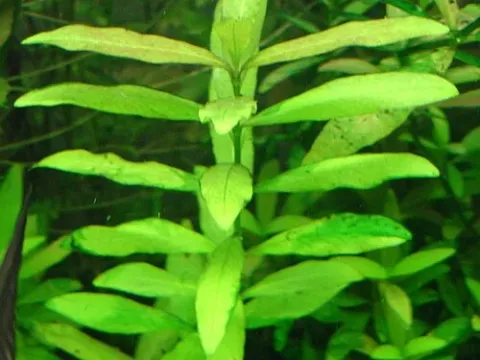
Hygrophila micrantha
Hygrophila micrantha
Hygrophila micrantha is a member of the Acanthaceae family, known for its elegant, slender, and vibrant foliage. It is an amphibious plant that naturally inhabits the tropical wetlands and riverbanks of Asia, thriving in saturated substrates.
What the section contains
Hygrophila micrantha
The botanical structure of this culture features stems that can grow vertically, covered with narrow leaves in a decussate arrangement. Under favorable conditions, the plant displays rapid growth rates, creating dense clusters that are highly valued in aquascaping and specialized botanical setups.
Climatic requirements for this species are centered on maintaining a temperature range between 22 and 28 degrees Celsius. Constant warmth is essential for preserving the enzymatic activity within the cells, which promotes overall plant health.
When it comes to soil or substrate, the culture requires a nutrient-dense environment with a slightly acidic reaction. In hydroponic setups, the availability of bioavailable iron and other micronutrients is crucial for maintaining the deep coloration of the foliage.
Lighting is another critical factor in its management. High-intensity light levels are necessary to prevent internodal stretching and to promote compact, bushy growth, which is indicative of a well-tended and healthy crop.
The most common threats to the cultivation of Hygrophila micrantha include fungal infections such as root rot, which typically occur due to stagnant water conditions and poor aeration in the growth medium.
Pests like aphids and spider mites can infest the plant, particularly when grown in semi-terrestrial conditions with low humidity. Integrated pest management practices should be employed to mitigate these risks effectively.
Nutritional imbalances often manifest as leaf chlorosis, a condition where the plant turns pale due to a lack of specific minerals like iron or magnesium, weakening its physiological resistance.
Algal growth on the leaf surfaces represents a significant threat to the plant's ability to photosynthesize. Proper balance in the nutrient solution and efficient filtration systems are vital to prevent algae competition.
Regular sanitation, including the removal of decaying leaves and dead organic matter, is a fundamental agricultural practice that keeps the ecosystem clean and prevents the spread of pathogens throughout the cultivation area.