
Hygrophila triflora
Hygrophila triflora
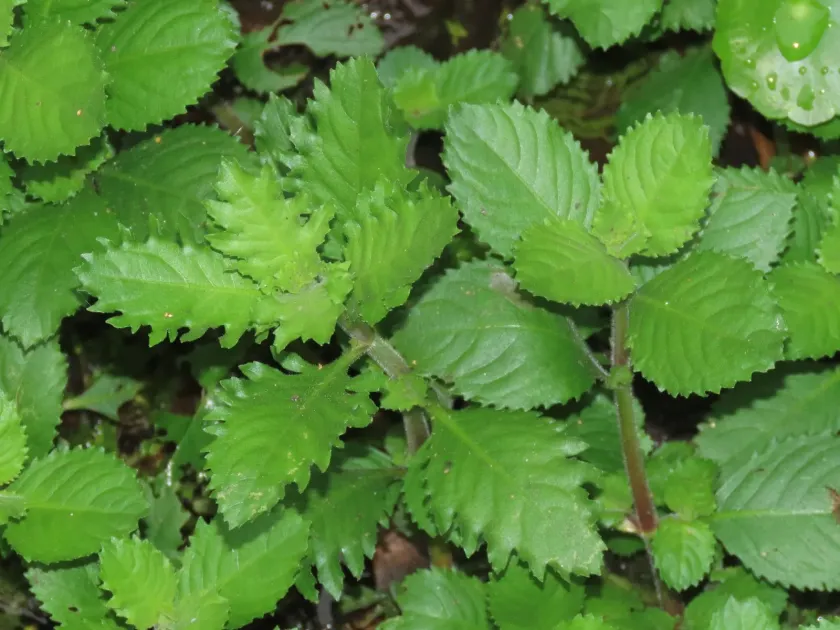
Description
Sowing dates
Propagation of Hygrophila triflora is primarily achieved through stem cuttings, which is the most reliable method for both commercial aquascaping and hobbyist cultivation. The plant features high vitality and roots quickly when environmental parameters are met.
To prepare cuttings, healthy side shoots or stem sections measuring at least 10–15 cm should be selected. These are planted directly into the nutrient-rich substrate, where they establish a robust root system within a few weeks.
The best results in propagation are achieved during the active growth phase, provided there is adequate lighting and a stable nutrient supply. Maintaining an optimal temperature ensures rapid development of new biomass.
It is essential to space cuttings appropriately during planting to prevent shading and nutrient competition. Proper placement encourages a bushy growth habit and prevents the stems from becoming thin or sparse.
Incorporating root-zone fertilizers during the initial planting phase significantly accelerates the establishment of the plant. This practice provides essential minerals that the plant absorbs primarily through its root system.
Growing requirements
Hygrophila triflora belongs to the Acanthaceae family and is an amphibious plant native to the tropical regions of Asia. It thrives in humid conditions and can be cultivated both submerged and emersed.
The plant demands high light intensity to maintain its characteristic structure and vibrant coloration. Insufficient lighting leads to etiolated stems and a significant decrease in the density of the foliage.
Optimal temperature for growth ranges between 22 and 28 degrees Celsius. The plant is sensitive to thermal fluctuations, which can cause significant stress, manifested by leaf drop or cessation of vertical growth.
The water chemistry should be soft to medium hardness with a slightly acidic to neutral pH. CO2 supplementation is highly recommended for submerged forms to stimulate photosynthesis and ensure healthy foliage production.
Regular water changes are critical to maintain a balance of macronutrients and prevent the buildup of organic waste. A well-oxygenated substrate and proper circulation are necessary to sustain long-term growth.
Main diseases and pests
The most common health issue for Hygrophila triflora is iron or potassium deficiency, which leads to chlorosis. The symptoms involve yellowing leaf tissue while the leaf veins remain green, signaling a need for micronutrient dosing.
Pests such as aphids and spider mites can infest the emersed form of the plant. In the submerged environment, the primary threat is the colonization of leaves by nuisance algae, such as black beard algae, which compete for light.
Poor water circulation within the aquarium can lead to stagnant zones, fostering bacterial and fungal infections. These conditions are particularly harmful if the plant is pruned too densely, limiting water flow around the stem base.
Algal blooms are often a direct result of nutrient imbalances or excessive lighting duration. Balancing the ecosystem through appropriate lighting and fertilization schedules is the primary defense strategy for this species.
Chemical treatments for pest and algae control must be approached with caution in aquatic systems, as the plant and the surrounding ecosystem can be sensitive to heavy metals and harsh algaecides.