
Hygrophila polysperma
Hygrophila corymbosa
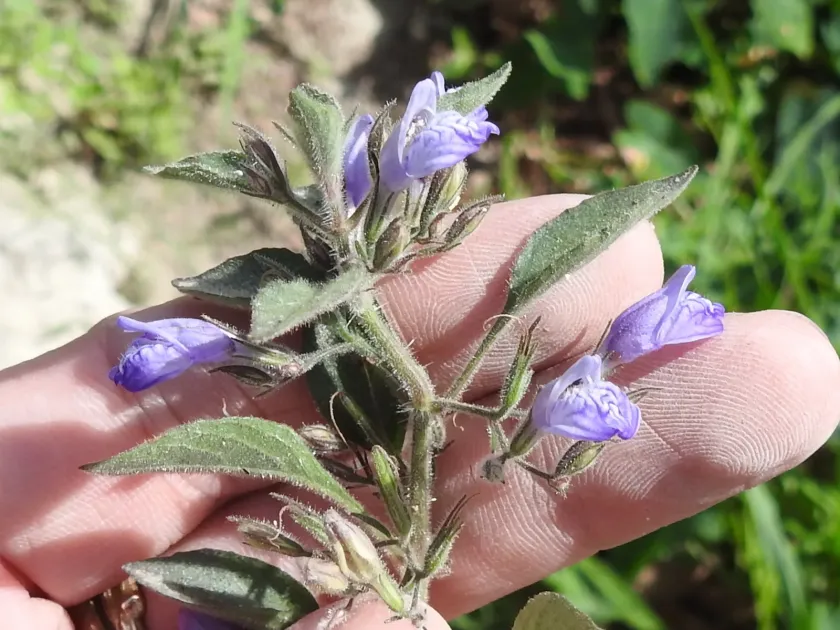
Description
Sowing dates
Hygrophila polysperma is a species from the Acanthaceae family, primarily propagated through vegetative methods, specifically stem cuttings which are highly effective for large-scale production.
Cuttings should be 10–15 cm in length, ensuring at least two or three nodes are present as these act as the primary points for root development and lateral branch growth.
The optimal time for mass propagation is during the active growing season, from spring to autumn, when light intensity naturally stimulates vigorous cell division.
Rooting occurs rapidly in nutrient-rich substrates, usually within 7 to 10 days, provided that humidity levels are kept consistently high for emerging shoots.
For commercial greenhouse setups, tissue culture or vegetative propagation under controlled artificial lighting ensures consistent material quality and uniform plant growth.
Growing requirements
Originating from the tropical regions of Southeast Asia and India, this plant thrives in stable temperatures ranging between 22°C and 28°C.
Lighting is a critical factor for successful cultivation; inadequate light causes stem etiolation and leaves to shed, negatively affecting the overall yield and aesthetic quality.
The growing substrate must be rich in micronutrients, particularly iron and nitrogen, to support the plant's metabolic processes and vibrant coloration.
Water chemistry, including the maintenance of a neutral to slightly acidic pH, is vital for nutrient uptake, as is the consistent supply of CO2 in submerged systems.
Regular water circulation is necessary to prevent dead zones, ensuring that nutrients reach the root system efficiently without causing mineral imbalances.
Yield
The productivity of Hygrophila polysperma is measured by the total biomass generated per cultivation cycle, which can be significantly optimized through hydroponic methods.
By adjusting light spectrum and CO2 injection rates, growers can maximize the speed of vegetative growth, reducing the harvest cycle to approximately 4–6 weeks.
Regular trimming techniques stimulate bushier growth patterns, significantly increasing the number of harvestable lateral stems per individual plant.
Yield management requires careful monitoring of the planting density to ensure that every leaf receives adequate light and prevents competition for space.
High-yield output is consistently achieved when the environmental parameters are balanced, minimizing stress periods that could hinder the plant's metabolic rate.
Main diseases and pests
The main threat to Hygrophila polysperma in aquatic cultivation is the competition from filamentous algae, which can quickly overgrow the plant and inhibit photosynthesis.
Chlorosis, manifesting as leaf yellowing, serves as a primary indicator of nutrient deficiencies, commonly caused by a lack of iron in the irrigation or culture medium.
Bacterial stem rot may occur in poorly circulated systems, often exacerbated by mechanical damage during maintenance or handling of the stems.
While various pests like snails may graze on leaves, they rarely reach levels that threaten the total crop if proper biosecurity measures are in place.
Effective management includes regular cleaning of the culture environment and the removal of dying tissue to prevent the accumulation of pathogens.
Harvesting
Harvesting involves carefully cutting the mature stems using sanitized equipment to ensure clean incisions that promote quick post-harvest regeneration.
Grading of the harvested material is essential to separate commercial-grade shoots from damaged or lower-quality specimens before packing for distribution.
It is important to leave the established root base intact during the harvest to facilitate a rapid transition to the next growth phase and ensure sustained production.
Proper post-harvest handling includes sealing the stems in high-humidity packaging to prevent desiccation during transport to market or final destination.
Temperature control during the transit phase is paramount, as the tropical nature of the plant makes it susceptible to damage from cold shocks.