
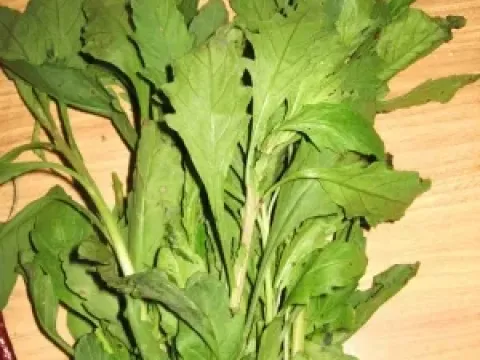
Dysphania suffruticosa
Dysphania suffruticosa
Dysphania suffruticosa belongs to the Amaranthaceae family and is recognized as a hardy herbaceous plant. It is primarily found in arid and semi-arid environments where it adapts to challenging soil conditions.
What the section contains
Dysphania suffruticosa
The sowing season begins in late spring, once the soil has consistently warmed up. Seeds require a shallow planting depth, typically between 1 and 2 centimeters, to ensure efficient emergence of seedlings.
Optimal row spacing is essential for mechanical maintenance; spacing of 45 to 60 centimeters is recommended. This allows for effective weed control and improves air circulation around the plants.
Germination requires consistent but moderate moisture levels. Once established, the plants exhibit significant drought tolerance, allowing for reduced water input in later vegetative stages.
Farmers should monitor seedling density closely. Thinning may be required if the seeds are sown too thickly, ensuring that each plant has enough space to reach its full physiological potential.
This crop thrives in well-drained, light-textured soils. It is highly resilient to poor nutrient conditions but shows significant growth improvement with the addition of balanced mineral fertilizers.
Sunlight is the most critical environmental factor. Dysphania suffruticosa is a sun-loving plant that requires full exposure to reach peak maturity and optimal essential oil production.
Temperature range is ideally between 20 and 28 degrees Celsius. The plant is well-adapted to wide daily temperature fluctuations, making it suitable for continental climate zones.
Soil pH should remain in the neutral or slightly alkaline range for the best results. The plant is moderately salt-tolerant, which may be an advantage in regions with slightly degraded soils.
Excessive moisture is the primary enemy of this crop. Avoiding areas with standing water or poor drainage is essential to prevent root rot and ensure a healthy crop stand throughout the season.
Fungal diseases, such as powdery mildew, are the most frequent threats, especially in humid conditions. Managing air circulation through proper spacing is the best preventive measure.
Aphids and various coleopteran pests can pose a threat to the foliage. Integrated pest management strategies, focusing on biological controls, are highly recommended to keep populations in check.
Crop rotation is a standard agronomic practice to mitigate soil-borne diseases. A three-year interval between plantings is suggested to maintain soil health and prevent pathogen buildup.
Sanitation practices after harvest, such as the removal of plant residues, significantly reduce the inoculum for the following year. This minimizes the risk of early-season infections.
Regular field scouting allows for the early detection of stress factors. If chemical intervention is necessary, selective and environmentally friendly products should be used to protect beneficial insects.
Harvesting is performed during the peak flowering stage when the concentration of essential oils is at its highest. This timing is critical for the pharmaceutical and aromatic value of the harvest.
Mechanical harvesting is typically used, with the plants cut at a height of approximately 5–10 centimeters above the ground. This preserves the main structure for potential secondary growth.
Post-harvest handling requires immediate transfer to shaded, well-ventilated drying facilities. Temperatures in the drying process should be strictly controlled, not exceeding 40 degrees Celsius.
Proper drying is essential to achieve a moisture content of less than 12 percent, which prevents mold and degradation of active chemical components during storage.
Final storage should be in clean, dry, and cool areas. Using light-proof and airtight packaging helps maintain the quality and aromatic profile of the dried material for an extended shelf life.