
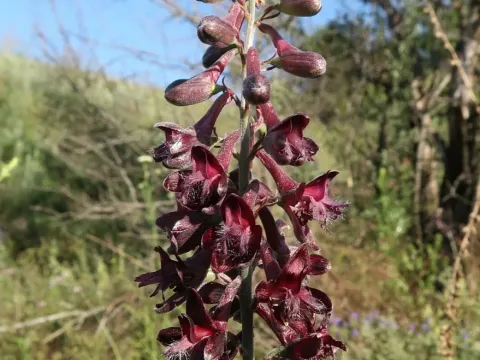
Delphinium puniceum
Delphinium puniceum
Delphinium puniceum is a distinct perennial plant belonging to the Ranunculaceae family. Propagation is primarily achieved through seeds, which often require a period of cold stratification to break dormancy and ensure high germination rates before being sown into the prepared substrate.
What the section contains
Delphinium puniceum
The optimal sowing time is either in late autumn for winter sowing or in early spring once temperatures begin to stabilize. Seeds should be sown at a shallow depth of approximately 0.5 to 1 cm, ensuring that the soil remains consistently moist but not waterlogged during the germination process.
When starting seeds indoors, providing supplemental light and keeping ambient temperatures between 15 and 18 degrees Celsius helps to prevent leggy growth. Once the first set of true leaves develops, the seedlings are ready to be pricked out into individual pots to foster a strong root system.
Transplanting into the garden should be done carefully to avoid damaging the taproot. Providing adequate spacing, typically around 40 to 50 cm between plants, is essential to allow for sufficient airflow and to accommodate the mature size of the plant during its peak growing season.
Preparing the seedbed with organic amendments like compost or well-rotted manure ensures the soil is nutrient-rich and has the appropriate texture to support the establishment of the young plants during their initial phase of growth.
This species thrives in full sun exposure, requiring at least six hours of direct light daily to maintain its vigor. While it can tolerate partial shade, insufficient sunlight often leads to weaker stems and reduced flowering intensity, which diminishes the ornamental value of the plant.
Soil requirements include excellent drainage and a neutral to slightly alkaline pH level. Because Delphinium puniceum is highly sensitive to waterlogged conditions, planting it in heavy clay soils without proper drainage correction can lead to root suffocation and eventual decline.
Regular watering is necessary, especially during dry spells, to maintain steady growth. However, care should be taken to water at the base of the plant rather than overhead to prevent moisture from lingering on the foliage, which can encourage the growth of pathogens.
Fertilization with a balanced, slow-release fertilizer during the spring growth flush provides the necessary macronutrients. Supplementary applications of high-potassium fertilizers just before the bloom stage are beneficial for promoting larger and more vibrant flower displays.
Mulching the soil surface around the plant base is recommended to conserve soil moisture and suppress weed growth. Organic mulches also help maintain a cooler soil temperature during the heat of summer, which is beneficial for the long-term health of the root system.
The most common fungal threats to this plant include powdery mildew, which appears as a white, dusty layer on the leaves. This condition is often exacerbated by poor air circulation and high humidity levels, making regular monitoring of plant density an important preventive measure.
Root rot, caused by various soil-borne fungi, remains a significant danger. Preventing soil compaction and ensuring the site is not prone to flooding are the best ways to mitigate this risk, as healthy, well-aerated roots are significantly more resistant to fungal attack.
Pests such as the Delphinium miner can cause significant aesthetic and developmental damage by feeding within the plant tissue or buds. Effective management involves both the removal of infested plant parts and the timely use of targeted insecticides if infestation levels cross the economic threshold.
Slugs and snails can also be problematic, particularly for young, tender foliage. Implementing physical barriers like copper tape or crushed eggshells, or using environmentally safe bait, can effectively manage these populations without harming the broader garden ecosystem.
Maintaining a clean garden environment by removing dead foliage and debris at the end of the season helps to reduce the overwintering sites for both pests and fungal spores, thereby decreasing the disease pressure for the following year's growth.