
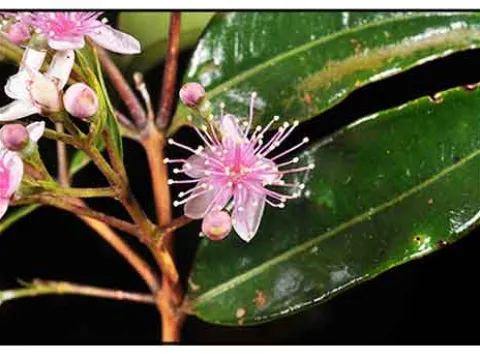
Decaspermum parviflorum
Decaspermum parviflorum
Decaspermum parviflorum is typically propagated using fresh seeds or semi-hardwood cuttings. Seeds should be sown immediately after collection, as they lose viability relatively quickly if kept in dry, open conditions.
What the section contains
Decaspermum parviflorum
For optimal germination, the seeds require a stable, warm environment with temperatures ranging between 24 and 28 degrees Celsius. Using a light, well-draining substrate is critical for preventing fungal issues during the seedling phase.
Cuttings should be taken during the active growing season, ideally using semi-mature wood to ensure faster root development. Dipping the base of the cuttings in a rooting hormone can significantly improve the success rate of propagation.
Young plants should be transplanted into individual pots once they reach a height of 10–15 centimeters. Careful hardening-off is necessary if the plants are being moved from controlled greenhouse conditions to an outdoor garden environment.
Maintaining high humidity and consistent moisture in the substrate is essential during the early stages of growth. Avoid covering the seeds too deeply; a shallow dusting of soil is sufficient to encourage emergence.
Belonging to the Myrtaceae family, this species thrives in tropical and subtropical regions. It prefers a bright, sunny location but may benefit from light shade during the hottest parts of the day, especially while the plant is still maturing.
The ideal soil for Decaspermum parviflorum is fertile and slightly acidic, with excellent drainage properties. The roots are highly sensitive to waterlogging, so ensuring the soil remains aerated is essential for long-term survival.
This plant performs best in environments with high ambient humidity, ideally above 70%. In drier climates, regular misting of the canopy can prevent leaf tip burn and ensure that the plant maintains its lush appearance throughout the year.
Temperature management is crucial, as the plant is susceptible to frost and cold winds. In temperate regions, it is often grown in containers that can be brought indoors or moved to sheltered areas during cold weather.
Consistent watering is required during the dry season, but the plant requires a period of relative rest during cooler months. Reducing irrigation during the winter helps prevent root decay and promotes healthier flowering in the spring.
The main agricultural product of this plant is its small, edible berries. These fruits typically have a sweet-tart flavor and are popular in local diets within their native range, often consumed fresh or processed into jams.
Yield capacity is largely determined by the maturity of the shrub and the quality of maintenance. Regular pruning is recommended not only to shape the canopy but also to stimulate the growth of new fruiting branches.
The fruits should be harvested once they achieve a deep, dark color, which signals peak ripeness. As they do not all ripen simultaneously, selective harvesting over several weeks is standard practice for this crop.
In addition to its fruits, the plant is valued for its hard wood, which is sometimes utilized in craft and tool-making. The dense growth habit also makes it an excellent choice for creating durable natural barriers or hedges.
With its attractive flowers and foliage, Decaspermum parviflorum offers secondary value as an ornamental shrub, making it a dual-purpose species for agroforestry and small-scale garden production.
Like many species in the Myrtaceae family, this plant can be prone to attacks by scale insects and mealybugs. These pests are often found on the underside of leaves or along stems, draining vital nutrients and weakening the plant.
Root rot is the most serious disease risk, usually caused by overwatering or soil that lacks proper drainage. Symptoms often include yellowing leaves and sudden wilting, requiring immediate adjustment to the irrigation schedule.
Fungal leaf spot can occur when there is poor air circulation, particularly in dense, unpruned hedges. Regular maintenance and proper spacing between individual plants can significantly reduce the incidence of these infections.
During prolonged dry spells, spider mites may become a problem. Keeping the plants clean and ensuring they have sufficient moisture usually helps to keep mite populations in check without the need for harsh chemicals.
- Regular inspection for pest activity.
- Strategic pruning to improve airflow.
- Consistent monitoring of soil moisture levels.
- Integrated pest management using biological controls.