
Deinanthe
Deinanthe
Deinanthe is a genus of perennial herbaceous plants belonging to the Hydrangeaceae family. These plants are native to the moist, temperate woodland regions of Japan, where they thrive in shaded environments.
What the section contains
Deinanthe
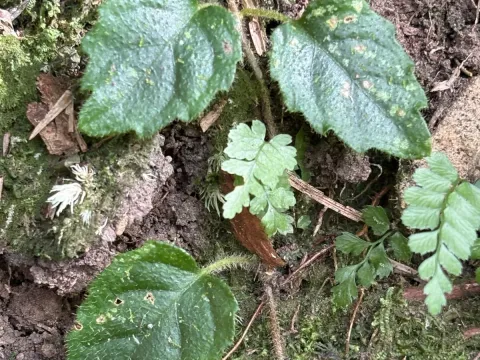
Botanically, Deinanthe is characterized by its distinct, nodding, bell-shaped flowers and large, serrated leaves that form an elegant, clumping habit in the garden landscape.
For successful growth, this culture requires a location with partial to full shade. Direct exposure to intense sunlight must be avoided to prevent leaf scorch and dehydration of the plant tissue.
The ideal soil for Deinanthe is rich in organic matter, slightly acidic, and consistently moist but well-draining. Adding compost or leaf mold enhances soil structure and water retention.
Cultivation practices include maintaining a stable moisture level throughout the growing season and applying mulch to keep the root system cool and protect it from temperature fluctuations.
Slugs and snails are the most significant pests for Deinanthe, as they are attracted to the succulent foliage and can cause severe aesthetic damage to the plants during wet weather.
The culture is susceptible to fungal diseases such as root rot and leaf spot, which typically occur in poorly drained soils or environments with inadequate air circulation.
Preventive measures involve ensuring the planting site has excellent drainage and avoiding overhead irrigation, which minimizes the risk of pathogens settling on the leaves.
Effective pest management includes regular manual removal of slugs and the strategic use of pet-safe molluscicides during the peak activity periods of these pests.
By keeping the surrounding area free of weeds and debris, the gardener reduces the refuge spots for pests and improves the overall microclimate for the Deinanthe plants.