
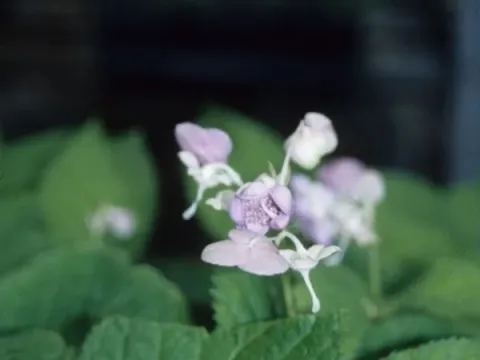
Deinanthe bifida
Deinanthe bifida
Propagation of Deinanthe bifida is typically achieved through division of established clumps, performed in early spring as new growth begins to emerge.
What the section contains
Deinanthe bifida
Seed propagation is possible but requires a cold stratification period to break dormancy, making it a longer process compared to vegetative methods.
When planting, it is essential to ensure the root system is well-spread in moist, organic-rich soil to establish strong anchorage before summer heat.
Spacing plants at least 40 to 50 centimeters apart is recommended to prevent overcrowding and to allow each plant to reach its full size.
Young plants require consistent attention during their first growing season to ensure they do not dry out while their root systems are developing.
Deinanthe bifida belongs to the Hydrangeaceae family and is native to the moist, temperate woodland regions of Japan.
The plant thrives in deep to partial shade, where it is shielded from the intense afternoon sun that can easily scorch its delicate, bifurcated foliage.
Soil requirements include high humus content, excellent moisture retention, and slightly acidic pH levels to mimic its natural woodland habitat.
Consistent soil moisture is critical; however, the soil must be well-draining to prevent waterlogging, which the root systems of this plant cannot tolerate.
During winter months, a protective layer of leaf mold or organic mulch is highly recommended to protect the crown from freezing and temperature fluctuations.
Slugs and snails are the most significant pests for Deinanthe bifida, as they are attracted to the succulent, moisture-rich foliage of the plant.
Root rot is a major threat caused by poor drainage or overwatering, which often leads to the rapid decline of the entire plant structure.
Fungal leaf spots can occur when air circulation is poor, particularly in humid or stagnant garden conditions where moisture remains on the leaves.
Integrated pest management, including the use of barriers and baits, is effective in reducing the damage caused by common garden mollusks.
Maintenance practices like removing dead foliage and keeping the garden bed clean are essential to reducing the risk of fungal outbreaks.