
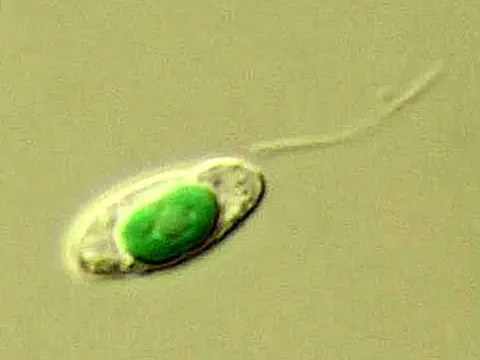
Cyanophora
Cyanophora
Cyanophora is a genus of unicellular freshwater organisms belonging to the family Cyanophoraceae. While not a commercial agricultural crop, it serves as a critical model organism for biologists studying the evolutionary history of eukaryotic cells.
What the section contains

Cyanophora
The natural habitat of this genus includes stagnant freshwater bodies, ponds, and pools across various geographic regions. These organisms are known for their preference for low-nutrient, stable aquatic environments where they can maintain their photosynthetic processes.
The defining botanical and biological feature of Cyanophora is the presence of cyanelles. These are specialized photosynthetic organelles that retain a peptidoglycan cell wall, providing direct evidence of the evolution from ancestral cyanobacteria to modern chloroplasts.
Cultivation in laboratory conditions requires specialized culture media that mimic the nutrient composition of natural freshwater. Researchers must maintain a controlled pH level to ensure the optimal physiological function of the organism and its endosymbiotic organelles.
Light requirements for Cyanophora are specific, necessitating a consistent photoperiod to support healthy growth. High-intensity light can cause photo-oxidative stress, while insufficient light leads to a rapid decline in metabolic activity and cell division rates.
In the wild, Cyanophora populations are often limited by nutrient availability and intense competition from faster-growing phytoplankton species. Seasonal changes in water quality frequently pose a risk to the survival of these delicate organisms.
In laboratory settings, the primary threats to the culture are microbial contamination, including opportunistic bacteria and fungi. Such contaminants can overwhelm a Cyanophora culture quickly, necessitating strict adherence to aseptic protocols.
Chemical stress, particularly exposure to heavy metals or improper concentrations of salts, is lethal to the organism. These pollutants directly disrupt the stability of the cyanelles, rendering the cell unable to perform photosynthesis effectively.
Viral pathogens represent a significant danger, capable of causing mass mortality within cultured populations. Once a culture is infected, it is often difficult to eradicate the pathogen without destroying the host population.
Finally, improper handling or physical stress resulting from aggressive agitation can compromise the integrity of the cell membrane. Given their fragile nature, careful laboratory management is essential to maintain a stable and healthy colony of Cyanophora.