
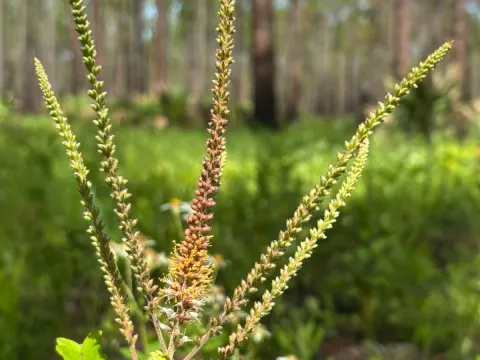
Amorpha cynostachya
Amorpha cynostachya
The propagation of Amorpha cynostachya is typically performed through seeds, which require stratification for improved germination rates before planting.
What the section contains
Amorpha cynostachya
Seeds are sown in well-prepared soil at a depth of 1-2 centimeters during early spring, once the danger of severe frost has completely passed.
It is recommended to maintain consistent soil moisture until the seeds sprout, which usually occurs within several weeks depending on the temperature.
For better results, seedlings can be started in greenhouse conditions to ensure they reach a sufficient size before being transplanted into the field.
Proper spacing is crucial when planting, as it allows each shrub to develop its full canopy and root system without excessive competition for resources.
Amorpha cynostachya is a hardy shrub belonging to the Fabaceae family, known for its adaptability to diverse environmental conditions.
The plant thrives in full sunlight, which is necessary for optimal bloom production and the overall health of the shrub throughout the growing season.
It prefers well-drained soil types, including sandy loams, and exhibits remarkable tolerance to poor soil quality and dry environmental conditions.
The deep root system of the plant allows it to withstand significant droughts, making it a reliable choice for regions with low water availability.
While mature plants are highly resilient, providing basic care during the establishment phase ensures faster growth and stronger plant structure.
This species is highly valued in apiculture as an excellent honey plant that provides a steady flow of nectar during the mid-summer months.
The blooming period is quite extensive, which helps maintain pollinator activity and contributes to the productivity of surrounding agricultural ecosystems.
As a legume, the plant contributes to soil fertility by fixing atmospheric nitrogen, thereby improving the growth conditions for neighboring crops.
The biomass production of Amorpha cynostachya makes it useful for erosion control and phytoremediation efforts on degraded farmland.
Yield metrics for this plant are largely focused on nectar production potential and the environmental benefits provided by its extensive root system.
Amorpha cynostachya is naturally resistant to many common pests and diseases that affect other legumes, reducing the need for chemical intervention.
Waterlogging remains the primary threat to plant health, as excessive moisture in the root zone can lead to detrimental fungal infections.
Occasional infestations of aphids may occur on tender new growth, though these are typically managed effectively with mild biological control agents.
Maintaining proper airflow within the canopy through periodic pruning helps prevent the development of powdery mildew in humid climates.
Overall, simple cultural practices such as regular site inspection and sanitation effectively mitigate most risks to the crop's long-term survival.