
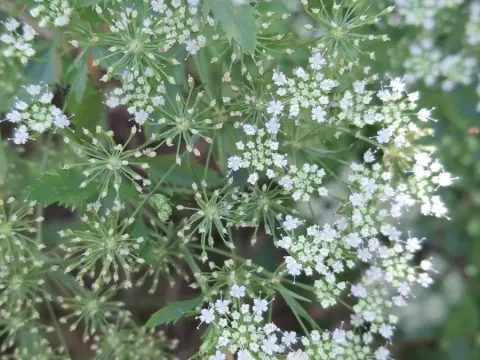
Ammi trifoliatum
Ammi trifoliatum
Ammi trifoliatum is a distinct herbaceous plant belonging to the Apiaceae family. Native to the Azores, it is adapted to an oceanic climate characterized by mild temperatures and high humidity levels throughout the growing season.
What the section contains
Ammi trifoliatum
The plant thrives in well-drained, nutrient-rich soils. In an agricultural context, it is crucial to ensure that the soil pH remains slightly acidic to neutral to maximize nutrient uptake, especially during the active growth phase.
Regarding climate, this species requires protection from severe frosts and extreme heat. It performs best in sheltered locations where it can receive adequate indirect sunlight rather than harsh, direct exposure.
Water management is critical for Ammi trifoliatum. While it prefers moist environments, waterlogging is detrimental and can lead to immediate root hypoxia, therefore proper bed preparation is essential.
The plant's development depends on steady growth temperatures between 18°C and 24°C. Proper spatial management in the field ensures that plants do not compete excessively for nutrients or light, supporting a more uniform crop.
The main pathological threats to Ammi trifoliatum include fungal pathogens such as powdery mildew and various leaf spot diseases, which typically emerge during periods of poor air circulation.
Root rot, often caused by Pythium or Phytophthora species, poses a significant risk if the soil structure becomes too dense or overly saturated with moisture for extended periods.
Insects like aphids and various species of plant bugs are common pests that target the foliage and tender stems. These pests can significantly reduce the vitality of the crop and introduce viral diseases.
Stem borers may also impact the development of the plant, weakening its structure and potentially causing it to collapse before reaching full maturity, which is particularly problematic for seed production.
Effective pest management relies on early detection through regular field scouting. Utilizing a mix of mechanical weeding, consistent monitoring, and targeted biological treatments is the most sustainable approach for this crop.