
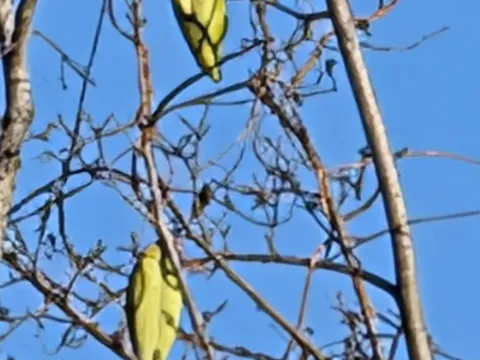
Ampelamus
Ampelamus
Ampelamus (Latin: Ampelamus), often taxonomically referred to as Cynanchum laeve, belongs to the Apocynaceae family. In an agricultural context, it is typically managed as a persistent perennial weed with a vigorous root system.
What the section contains
Ampelamus
The plant reproduces primarily through wind-dispersed seeds equipped with silky tufts. Seedlings typically emerge in late spring when soil temperatures reach 15–18 degrees Celsius.
Sufficient surface moisture is required for germination. In field conditions, seeds can successfully germinate from depths of up to 5–7 centimeters, demonstrating high resilience in conventional farming systems.
Vegetative propagation occurs via rhizome development. Even small root fragments displaced during mechanical tillage can initiate new growth, complicating population control efforts.
The optimal timing for management interventions is the rosette stage or early shoot development, prior to the significant lignification of the root system.
Ampelamus demonstrates high adaptability to various soil types, preferring fertile loams and well-moistened areas. The plant is highly tolerant of significant fluctuations in soil pH levels.
It is a heliophilic species that thrives in open, unshaded environments. Additionally, it possesses the ability to survive periods of temporary waterlogging and soil saturation.
The optimal temperature for active vegetative growth ranges from 22 to 28 degrees Celsius. The plant exhibits a strong regenerative capacity, allowing rapid recovery following shallow cultivation.
As a competitive climbing weed, Ampelamus frequently entwines around agricultural crop stems, which can lead to severe lodging and reduced harvest yields.
Deep plowing involving soil inversion is recommended to exhaust nutrient reserves within the rhizomes and effectively contain the spread of the species in cultivated fields.
Specific insect herbivores pose the primary threat to Ampelamus populations by feeding on its foliage. Several lepidopteran larvae are known to specialize on Apocynaceae hosts.
Fungal pathogens, including various rusts and leaf spots, can significantly weaken the aerial parts of the plant, especially during periods of high humidity.
Viral infections can affect the plant, manifesting as leaf deformation and stunted shoot growth, which may reduce the plant's overall competitive vigor in the field.
Systemic herbicides, particularly glyphosate-based formulations, show moderate efficacy when applied during the peak flowering stage, facilitating the translocation of chemicals into the roots.
Mechanical disturbance of the root system without follow-up chemical control is generally ineffective and often stimulates further branching and proliferation of the rhizome network.