
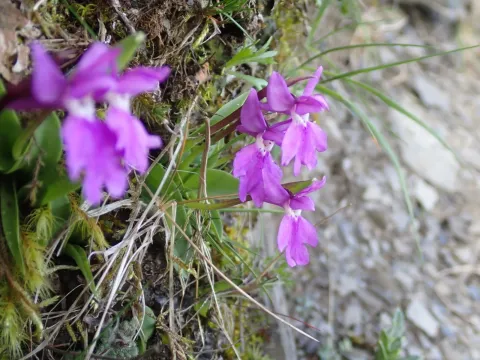
Amitostigma
Amitostigma
Amitostigma is a genus of small, tuberous, herbaceous perennial plants classified within the family Orchidaceae. Native primarily to East Asia, these plants are distributed across China, Japan, and the Korean Peninsula, often inhabiting mountainous terrains and woodland margins.
What the section contains
Amitostigma
The botanical structure of Amitostigma is characterized by its small subterranean tubers that undergo an annual dormancy cycle. The plants produce slender stems adorned with delicate, sometimes fringed flowers, which are highly valued for their intricate appearance and miniature size.
Cultivation requirements for Amitostigma are demanding, as they thrive in cool, moist, and well-ventilated environments. Growers must provide a consistent flow of fresh air, as stagnant conditions often lead to rapid decline and the death of the delicate root system.
The substrate must be highly porous to ensure efficient drainage. A typical potting mix includes a blend of fine fir bark, perlite, and high-quality peat moss, designed to retain moisture while allowing air to reach the tubers, which prevents the development of rot.
In terms of хозяйственное использование, Amitostigma is grown almost exclusively by orchid enthusiasts and specialists in temperate alpine flora. It serves as a focal point in specialized collections and terrarium setups that simulate the natural high-altitude environment of its origin.
The primary threats to Amitostigma health are fungal infections such as Pythium and Phytophthora, which flourish if the substrate remains saturated for too long. Maintaining a balance between hydration and aeration is the most critical aspect of preventing these pathogens.
Insect pests, including spider mites and thrips, frequently attack the foliage, especially when the plant is cultivated in suboptimal indoor environments with low humidity. Integrated pest management using systemic biological controls is recommended to protect these sensitive ornamental specimens.