
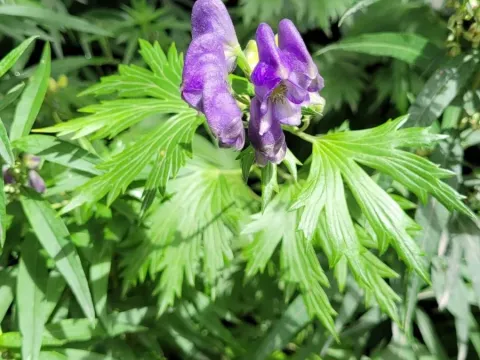
Aconitum maximum
Aconitum maximum
Aconitum maximum is a herbaceous perennial belonging to the Ranunculaceae family, characterized by its robust growth and distinct blue-purple blooms.
What the section contains
Aconitum maximum
Propagation is primarily achieved through seeds, which require a period of cold stratification to overcome physiological dormancy and ensure successful germination.
When sowing in trays, seeds should be kept in a cool environment for several weeks before being moved to warmer temperatures for sprouting.
Division of established clumps can be performed every few years, which serves both to multiply the stock and to maintain the vigor of the plant.
Proper spacing of 45–60 cm is recommended to prevent overcrowding, which facilitates airflow and reduces the likelihood of humidity-related diseases.
The plant thrives in cool, temperate climates and prefers soil that is rich in organic matter, moist, and well-drained to avoid waterlogging.
Aconitum maximum prefers partial shade or dappled light, as the intense midday sun can cause dehydration and heat stress during the summer months.
The species is highly resilient to cold temperatures, making it a reliable perennial in regions with harsh winters and short growing seasons.
Regular irrigation is necessary throughout the growing cycle, as the plant does not tolerate drought conditions well, especially when planted in open areas.
Maintenance involves seasonal mulching with organic compost to retain soil moisture and supply essential nutrients for healthy foliage development.
Powdery mildew is a frequent problem in dense plantings, appearing as a white dusting on leaves when air circulation is poor or humidity levels spike.
Root rot can occur in heavy, clay-based soils that do not provide adequate drainage, potentially killing the plant systemically before symptoms are visible.
Pests like aphids and spider mites can infest the undersides of leaves, weakening the plant and potentially spreading viral infections between individuals.
Extreme care must be taken during handling, as all parts of the Aconitum maximum are highly toxic to humans and animals due to the presence of alkaloids.
Preventative measures include removing debris around the base of the plant in late autumn to eliminate wintering spots for insects and fungal spores.
Harvesting Aconitum maximum is strictly limited to medicinal or scientific research purposes due to the significant health risks posed by its toxic compounds.
Roots are harvested at the end of the vegetative cycle, typically in late autumn, when the concentration of alkaloids is at its highest in the tubers.
The harvested material is cleaned immediately, removing any soil particles, and dried in ventilated zones away from direct sunlight to prevent degradation.
Strict storage protocols must be followed to ensure the material is kept in secure, clearly marked containers to prevent accidental ingestion or contact.
Agricultural processing of this species requires specialized knowledge and strict adherence to safety regulations to mitigate any potential exposure to toxins.