
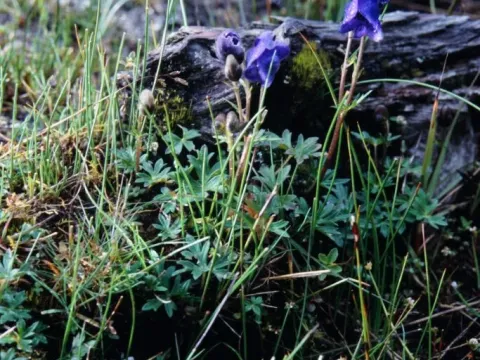
Aconitum hookeri
Aconitum hookeri
Sowing seeds of Aconitum hookeri is most effective when performed in late autumn as a direct outdoor seeding, which allows the seeds to undergo natural stratification. If spring sowing is planned, seeds must be kept in cold storage at temperatures between 0 and 5 degrees Celsius for at least two months to break dormancy.
What the section contains
Aconitum hookeri
The seeds should be sown at a shallow depth of approximately 0.5 to 1 centimeter, as they require stability in moisture to germinate effectively. A light, well-draining soil mix is essential to prevent seed rot during the initial stages of development.
For commercial cultivation, row spacing should be maintained at about 50 to 60 centimeters. This distance provides adequate room for plant growth and allows for easier access when performing maintenance tasks like weeding and soil aeration.
Germination can be slow and sporadic; therefore, keeping the plot free of invasive weeds is crucial during the first few weeks. Careful hand weeding is often preferred over mechanical tools to avoid damaging the delicate seedlings.
Vegetative propagation via root division is a standard method used to scale up production. This process should be undertaken in early spring just as the plant emerges from winter dormancy, ensuring that each division has a healthy portion of the rootstock.
Aconitum hookeri is a hardy perennial belonging to the Ranunculaceae family, native to the alpine regions of the Himalayas and Tibet. It thrives in cool climates and performs best in locations that offer partial shade, especially during the hottest hours of the day.
The crop requires fertile, humus-rich soil with excellent drainage properties. Aconitum species are highly susceptible to root rot if the soil remains waterlogged, so choosing a site with good soil texture and aeration is mandatory for long-term health.
Ideal soil pH for this species falls between 6.0 and 7.0. Regular soil amendments with compost can help improve nutrient availability, which is essential for the robust growth of the stalks and foliage during the growing season.
Consistent moisture is key during the peak growing months, particularly when the plant is transitioning into its reproductive stage. While it needs consistent hydration, it is equally important to avoid overhead irrigation that might encourage fungal infections on the leaves.
Due to its high-altitude origin, this plant is exceptionally cold-hardy and can withstand freezing winter temperatures without requiring specialized protection in most temperate agricultural zones.
The most significant threats to Aconitum hookeri include various fungal pathogens that target the root system, such as root rot and wilt. These conditions are typically exacerbated by poor drainage and excessive soil moisture levels during periods of high humidity.
Pests like aphids and spider mites can cause significant damage to the plant by feeding on the sap of tender new leaves. Implementing integrated pest management strategies, such as biological controls or targeted application of organic insecticides, is recommended.
Fungal leaf spots represent another common issue, often appearing during wet, cool weather. Proper sanitation, including the removal and destruction of infected plant debris, is necessary to minimize the risk of spore transmission to healthy plants.
Preventing overcrowding is a primary defense against both pests and diseases, as good airflow helps to dry out foliage quickly. This reduces the time pathogens have to settle and germinate on the plant surface.
- Periodic inspection of root systems for signs of decay.
- Maintenance of clean aisles to reduce pest habitats.
- Application of specialized fungicides if initial symptoms appear.