
Sour cherry
Prunus cerasus L. x (Prunus avium L. x Prunus canescens Bois)
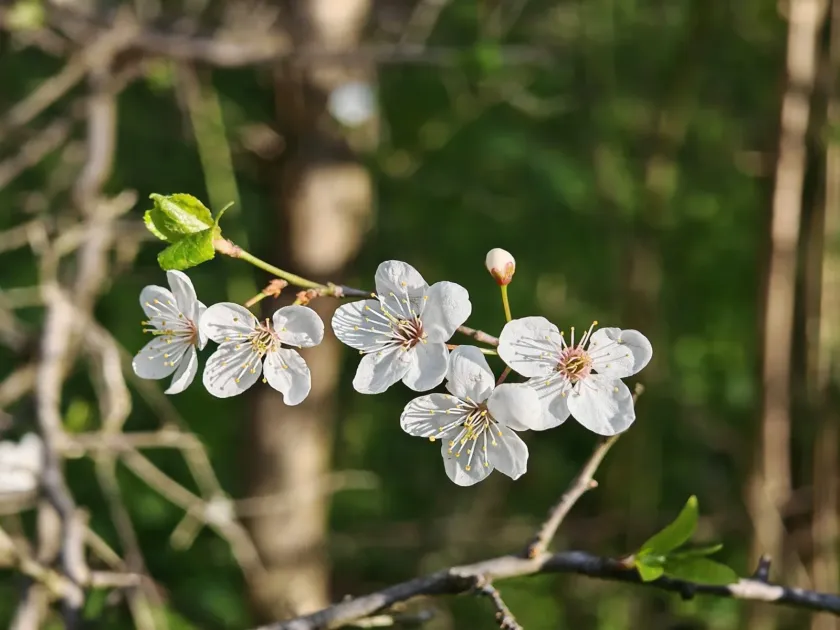
Description
Growing requirements
The sour cherry (Prunus cerasus), a member of the Rosaceae family, is an important agricultural crop derived from natural hybridization. It thrives in temperate climates, preferring sunny locations with fertile, well-drained loamy soils to prevent root issues.
Successful cultivation requires soil with a neutral pH, typically between 6.5 and 7.0. Proper site selection is crucial as the species is highly sensitive to waterlogged conditions, which may lead to root rot and long-term decline in tree health.
Botanically, sour cherry trees exhibit diverse growth habits, often forming shrub-like or tree-like structures. They possess a high capacity for suckering, which can be managed through pruning or utilized for vegetative propagation of specific cultivars.
The tree is known for its high winter hardiness, though spring frost can severely impact bloom. A steady supply of moisture is essential during the fruit development stage to ensure optimal sizing and sugar content in the final harvest.
Standard agronomic practices involve a structured fertilization program, focusing on balanced nitrogen, phosphorus, and potassium ratios. Regular pruning is necessary to maintain an open canopy, ensuring sunlight penetration and better air circulation.
Main diseases and pests
Sour cherries are susceptible to several major fungal pathogens, with Monilinia (brown rot) being the most destructive. It typically affects blossoms and twigs, while anthracnose causes significant damage to ripening fruit, reducing overall yield quality.
Verticillium wilt is a serious threat that affects the vascular system, often leading to sudden limb dieback. Soil-borne pathogens such as Rhizoctonia and Sclerotinia also present risks, particularly in fields with suboptimal drainage or excessive humidity.
Although less common in orchards, viruses like the Tomato mosaic virus or Tobacco mosaic virus may occur through cross-contamination from adjacent vegetable crops. Proper sanitation of pruning tools is essential to minimize the risk of mechanical transmission.
Disease management relies on a combination of cultural practices, such as removing mummified fruit, and chemical interventions. Preventive fungicide applications are vital during the bloom stage and before periods of anticipated wet weather.
Pest control strategies should be integrated into the yearly maintenance schedule to prevent infestations of aphids and cherry fruit flies. Early detection and the use of targeted biological controls help maintain the orchard's health and productivity.