
Description
Symptoms
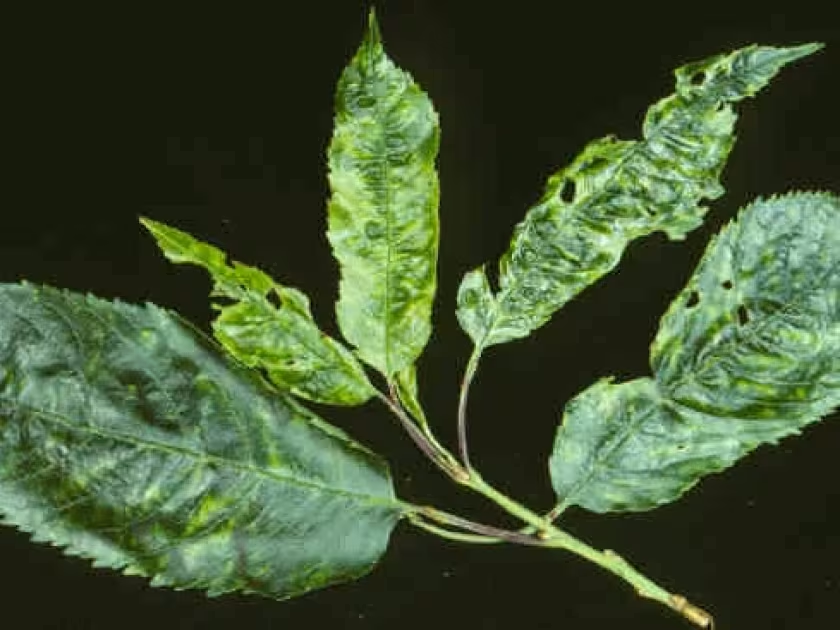
Symptoms of Prunus necrotic ringspot virus typically appear in the spring shortly after leaf emergence. Early signs include chlorotic spots, rings, or line patterns on the leaves.
Over time, these chlorotic areas may turn brown and necrotic. The dead tissue often falls out, resulting in a characteristic "shothole" appearance on the foliage of affected trees.
Infection leads to reduced vigor, stunting of shoot growth, and shorter internodes. The canopy of severely infected trees often appears sparse and unthrifty.
Fruit development is often compromised; fruits may be misshapen, display skin blemishes, or drop prematurely, leading to significant yield losses for growers.
The virus is systemic, meaning symptoms can fluctuate depending on the environmental conditions, tree age, and the specific strain of the virus present.
Pathogen
The pathogen is the Prunus necrotic ringspot virus (PNRSV), which belongs to the Ilarvirus genus. It is a major viral agent affecting a wide range of woody plants.
The virus consists of isometric particles containing single-stranded RNA. It is recognized for its ability to persist in various hosts, including wild cherry and related species.
This virus has a broad host range, primarily infecting stone fruits such as sour cherries, sweet cherries, plums, peaches, almonds, and apricots.
The virus remains in the host plant throughout its life cycle, systemically spreading through the vascular system to infect all organs, including roots and reproductive tissues.
The persistence of the pathogen in long-lived perennial crops makes it a persistent challenge for commercial fruit production worldwide.
Conditions for development
The primary method of natural spread in orchards is through infected pollen. During pollination, the virus is transmitted from infected trees to healthy ones via the pollen grain.
Seed transmission is another critical pathway, particularly in nurseries, where the virus can be introduced into new rootstocks through infected seed sources.
Mechanical transmission occurs during routine horticultural practices such as pruning, grafting, or budding when tools contaminated with infected sap are used on healthy tissue.
High planting densities in modern orchards may facilitate the spread of the virus if diseased trees are not identified and removed in a timely manner.
Environmental stress factors, such as drought or cold, can exacerbate symptoms and weaken the tree's overall defense mechanisms against viral progression.
Why it matters
The economic impact of PNRSV is significant, characterized by reduced fruit quality, smaller fruit size, and substantial losses in total harvest yield.
Infected trees exhibit reduced longevity and are more susceptible to other environmental stresses, often leading to early orchard decline.
The virus disrupts the tree's metabolic processes, resulting in weakened root systems and poor cold hardiness, which is particularly dangerous in regions with harsh winters.
Varietal degeneration occurs over time, where the performance of infected cultivars drops to levels that are no longer commercially viable for the grower.
The presence of the virus in an orchard complicates trade and nursery certification, as the goal of fruit production is to maintain clean, virus-free stocks.
Protection
The foundation of effective control is the use of certified virus-free propagating material. This prevents the initial introduction of the virus into new plantings.
Rigorous orchard sanitation is essential; infected trees should be promptly identified, rogued, and removed to eliminate the primary sources of inoculum.
Pruning tools must be thoroughly disinfected with appropriate agents, such as ethanol or bleach solutions, between each tree to prevent mechanical transmission.
Establishing new orchards at a distance from older, infected plantings can significantly reduce the risk of pollen-mediated virus transmission.
While there is no chemical cure for viral infections in plants, maintaining overall tree health through proper fertilization and irrigation helps trees mitigate the effects of the virus.
Pathogens and affected parts
Affects crops · 2
Discussion
No discussions yet — be the first.