
Opuntia spinulifera
Opuntia spinulifera Salm-Dyck
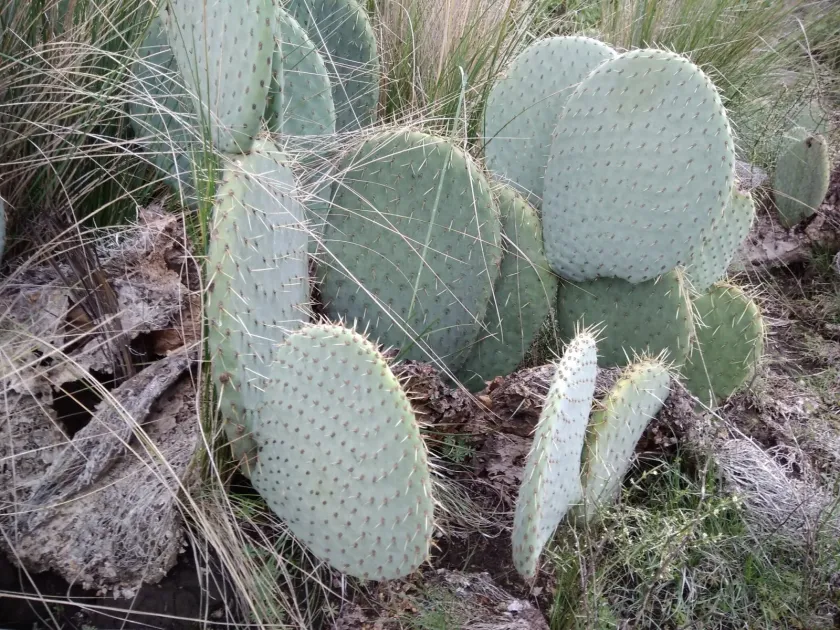
Description
Growing requirements
Opuntia spinulifera belongs to the Cactaceae family. It is a large, arborescent succulent native to the arid regions of Mexico, where it has evolved to thrive in high-temperature environments with irregular precipitation patterns.
This species requires full solar exposure to maintain its physiological health and metabolic rate. Insufficient light intensity often results in etiolation and weakens the structural integrity of the cladodes, making them susceptible to mechanical damage.
Soil requirements for Opuntia spinulifera involve well-drained, porous media with low to moderate nutrient content. The plant is highly tolerant of rocky and sandy soils, provided that there is no stagnant water which could trigger rot in the root system.
Climatically, the plant is adapted to subtropical zones. It exhibits high drought tolerance, utilizing Crassulacean Acid Metabolism (CAM) to optimize water usage efficiency and survive prolonged dry spells that would be fatal to most other crops.
Agronomic management includes site selection with adequate slope for drainage and periodic vegetation control. Planting is typically performed using mature cladodes, which demonstrate high survival rates when placed in dry, warm soil during the active growing season.
Yield
The primary economic use of Opuntia spinulifera is as a supplemental fodder source for livestock. It provides essential hydration and nutrients, especially in semi-arid regions where conventional forage crops frequently fail due to drought.
In addition to its fodder potential, the plant produces edible fruits and cladodes that are consumed in many regional cuisines. The mucilage content in the tissue is also being investigated for its potential in food stabilization and industrial applications.
Main diseases and pests
Common pests affecting this culture include Dactylopius coccus (cochineal insects) and mealybugs, which feed on the sap of the pads. Integrated pest management strategies using biological controls are often preferred to maintain the quality of the biomass.
Pathogenic fungi representing the genera Fusarium and Phytophthora pose a significant threat to plantation health. These diseases typically emerge in environments with excessive humidity or poor soil aeration, highlighting the importance of proper drainage systems.