
Opuntia oligacantha
Opuntia oligacantha Sheinvar
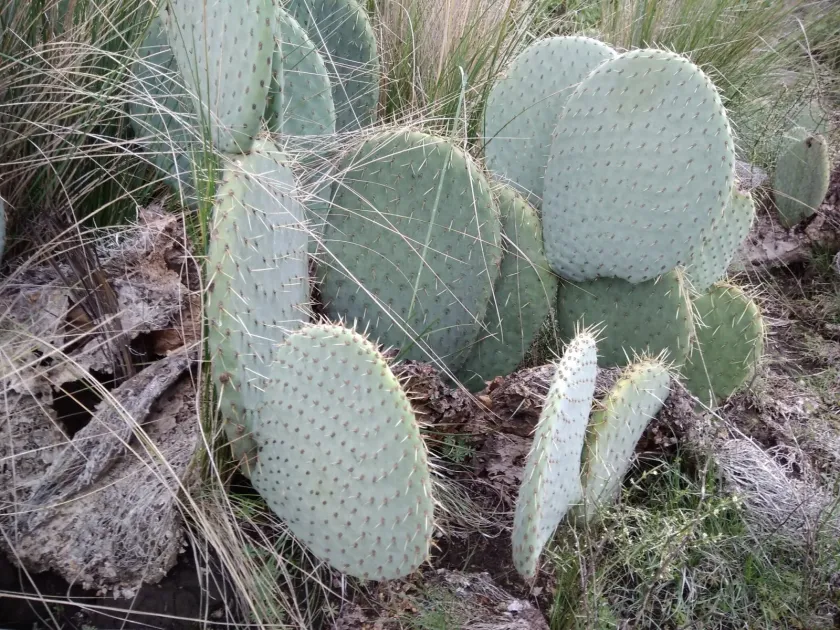
Description
Growing requirements
Opuntia oligacantha is a member of the Cactaceae family, well-known for its adaptation to harsh, arid environments. As a shrubby succulent, it features distinct segmented stems and a specialized spine structure that serves as a defense and moisture-saving mechanism.
The species is native to regions of Mexico, where it has evolved within climates marked by significant seasonal variability in rainfall. Its natural range typically spans dry plains and rocky slopes where light intensity is consistently high.
For successful cultivation, the crop requires well-drained soil substrates that are either sandy or gravelly. The pH level should ideally be neutral or slightly alkaline, as excessive acidity can hinder nutrient absorption in desert cacti.
Light requirements for this species are demanding; it necessitates full sun exposure for the majority of the day to maintain structural integrity and healthy development. Insufficient light levels lead to etiolation and increased susceptibility to environmental stress.
Agricultural management requires careful attention to irrigation cycles. While the plant is drought-tolerant, moderate watering during the active growing season promotes vegetative mass, whereas the dormant winter season requires almost complete water withdrawal to prevent rot.
Main diseases and pests
Root rot, primarily caused by excessive moisture and poor soil aeration, remains the most significant threat to the survival of Opuntia oligacantha. Pathogens like Phytophthora can decimate a stand if drainage protocols are ignored.
Mealybugs (Pseudococcidae) are the primary insect pests affecting this species. They establish colonies within the spine clusters and skin crevices, extracting phloem sap and weakening the overall vigor of the plant structure.
Scale insects present another major challenge, creating hard, protective shells on the surface of the cladodes. These insects cause localized tissue death, often leading to secondary bacterial infections that spread across the stems.
Spider mites can proliferate rapidly in hot, dry conditions with poor air circulation. They cause fine webbing and stippling on the epidermis, which not only looks unsightly but also disrupts the plant's photosynthetic efficiency.
Effective management includes maintaining sanitary conditions, proper spacing between plants to ensure airflow, and the timely application of targeted insecticides or miticides when infestation levels cross economic thresholds.