
Opuntia matudae
Opuntia matudae Sheinvar
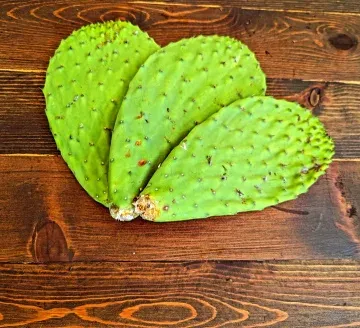
Description
Sowing dates
Opuntia matudae is a perennial succulent belonging to the Cactaceae family. In agricultural practices, this crop is primarily propagated vegetatively using individual cladodes (stem segments).
The optimal time for planting cuttings in open fields is the beginning of the rainy season, when the soil is warm enough to facilitate rapid development of the root system.
Preparation of the planting material involves drying the cutting site for several days until a callus forms; this prevents rot when the plant is placed in the substrate.
Proper spacing during planting is essential to ensure adequate airflow and provide access for field operations, which is crucial for preventing fungal outbreaks in the plantation.
Seed propagation is reserved for breeding purposes, as the process requires strictly controlled temperature conditions and a lengthy germination period.
Growing requirements
Native to the central regions of Mexico, this crop is highly adapted to semi-arid climates. It thrives in environmental conditions typical of high-altitude deserts.
The plant prefers well-drained rocky or sandy soils with a neutral to slightly alkaline pH. Waterlogging is detrimental and leads to root and stem rot, which can destroy the plantation.
Opuntia matudae requires intense solar radiation throughout the growing season to support proper metabolic functions and the accumulation of sugars in the fruit.
While the temperature optimum ranges from +20 to +30 degrees Celsius, the plant exhibits resilience against the occasional nocturnal frosts characteristic of its natural habitat.
In commercial agriculture, the crop requires minimal irrigation. Water application is restricted to the active growth phase and fruit development to ensure fruit quality.
Yield
The primary economic value of Opuntia matudae lies in the production of "xoconostle"—acidic fruits that are highly prized in Mexican cuisine for their unique taste and nutritional profile.
Yields vary based on the age of the plantation, the intensity of care, and planting density. Productivity increases as the plant grows and develops more surface area for fruit production.
Regular pruning of old or damaged cladodes is necessary to stimulate plant rejuvenation and direct nutrients towards optimal fruit set.
Effective plantation management, including weed control and proper nutrient balancing, significantly contributes to higher marketable yields per hectare.
Fruits can remain on the plant for extended periods after ripening, providing growers with a flexible harvest window that simplifies logistics for small and large farms alike.
Main diseases and pests
The main threats to the crop include root and stem rot caused by pathogenic fungi such as Fusarium, which typically proliferate under conditions of excessive moisture.
Pests, particularly the cochineal scale (Dactylopius coccus), can cause severe damage by sucking sap from the plant, which weakens the immune system and reduces fruit quality.
Other threats include various mites and beetles that target young shoots and developing fruits, potentially impacting the commercial viability of the harvest.
Integrated pest and disease management involves regular scouting, mechanical removal of infested segments, and the judicious use of biological control agents.
- Regular inspection of all plant segments.
- Maintaining effective soil drainage to prevent moisture buildup.
- Isolating and destroying highly infested individuals to prevent spreading.
Harvesting
Harvesting Opuntia matudae requires careful handling due to glochids—tiny, hair-like spines that are difficult to see and easily penetrate the skin.
Field workers utilize specialized protective gear and tools, such as long-handled tongs or knives, to safely detach the fruit from the cladode without direct contact.
Fruits are harvested when they reach their characteristic color and firmness. Harvesting should be performed during dry conditions to prevent spoilage during post-harvest storage.
Post-harvest processing involves cleaning the fruit to remove remaining glochids, followed by sorting based on size, ripeness, and freedom from mechanical damage.
Due to their firm structure, the fruits possess good shelf life, which facilitates efficient transport to markets without significant degradation in quality.