
Xoconostle
Opuntia joconostle Weber
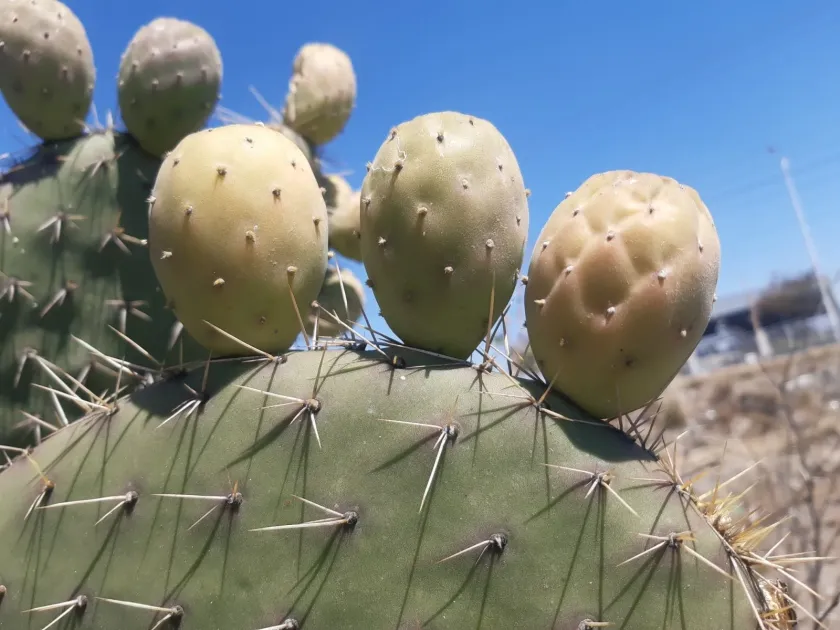
Description
Sowing dates
Propagation of Opuntia joconostle is primarily achieved through vegetative means, using individual stem segments known as cladodes. The most favorable time for planting is the onset of the rainy season, as the soil moisture facilitates rapid root development.
While seed propagation is possible, it is rarely used in commercial farming due to the slow growth rate of seedlings. When planting cuttings, it is essential to maintain proper spacing between plants to ensure good air circulation and easier access for field operations.
Before planting, the cut surface of the cladode must be left to air-dry in a shaded area for several days. This callous formation is a critical step to prevent fungal rot when the cutting is placed in contact with soil moisture.
Young plants require protection from intense midday sun and excessive rain during their establishment phase. Optimal rooting occurs in loose, well-draining substrates, ideally with a neutral to slightly alkaline pH level.
In regions with distinct seasons, planting should only occur after the last frost, as cold temperatures can significantly damage tender young segments that have not yet fully hardened.
Growing requirements
Opuntia joconostle is a sun-loving plant that requires maximum exposure to direct sunlight throughout the day. A lack of light leads to elongated, weak stems and a substantial reduction in fruit production and quality.
This cactus species is highly drought-tolerant, making it well-suited for semi-arid environments. However, it responds positively to moderate irrigation during the critical fruit-setting stages, which can increase overall yield.
Soil requirements focus on excellent drainage to prevent root rot, which is the most common cause of plant failure. Sandy or rocky soils are ideal, as they allow for quick water percolation and prevent the saturation of the root zone.
The plant is highly adaptable to the significant diurnal temperature fluctuations typical of high-altitude Mexican plateaus. It possesses strong physiological mechanisms to withstand both high heat and cooler night temperatures.
Nutrient management should favor low-nitrogen fertilizers to encourage robust structural growth rather than excessive, succulent foliage. Proper fertilization enhances the plant's natural resistance to environmental stress and common diseases.
Yield
Yield productivity is heavily influenced by regular pruning and maintenance. Formative pruning helps remove old or damaged cladodes, allowing the plant to concentrate its energy on developing fresh, fruit-bearing segments.
A mature, well-maintained shrub can produce a substantial harvest of acidic fruits for many years. Fruit quality is highly dependent on the availability of essential minerals, particularly potassium and phosphorus, during the growth cycle.
A unique characteristic of the Xoconostle is that its fruits remain viable on the plant for a long duration, allowing for flexible harvest scheduling based on market demand. This shelf-stability on the shrub is a major advantage for commercial farmers.
For large-scale cultivation, plant density must be carefully calculated to allow for the use of machinery during maintenance. The overall yield per plant varies depending on regional climatic conditions and effective pollination rates.
Maintaining a weed-free environment around the base of the cactus is essential, as competing vegetation can promote micro-climates that are favorable for pests and fungal pathogens.
Main diseases and pests
The most significant threat to Xoconostle plantations is the cochineal scale, which extracts sap from the plant, weakening its immune system and creating entry points for secondary fungal infections.
Fungal diseases, manifesting as necrotic spots on the cladodes, often thrive in conditions of high humidity and poor ventilation. Regular pruning and maintaining proper plant density are the most effective preventive measures.
Root rot, induced by waterlogged soil, can lead to rapid plant decline. Continuous monitoring of the root crown is necessary to catch any early signs of decay before the infection becomes systemic throughout the shrub.
Certain caterpillar species can cause significant damage to young buds and developing fruits, potentially reducing yields. Utilizing biological control methods, such as natural predators, is preferred over chemical applications to ensure sustainable farming.
General cleanliness within the orchard, including the removal of infected debris, is vital to prevent the establishment of persistent pest and disease populations that could otherwise spread across the entire plantation.
Harvesting
Harvesting Xoconostle fruits requires extreme caution due to the presence of glochids, which are tiny, barbed spines that easily detach and irritate the skin. Harvesters must wear protective gear and use specialized tools.
The fruit is harvested manually when it reaches its physiological maturity, characterized by a specific firm texture. Unlike sweet prickly pears, Xoconostle is prized for its high acidity, making it a culinary staple in salsas and stews.
Following harvest, the fruits undergo a mechanical brushing process to remove all surface glochids. This cleaning phase is essential to ensure the safety and marketability of the product for both local and export channels.
Packaging must provide adequate protection to prevent mechanical bruising of the fruit. When kept in cool storage, Xoconostle fruits maintain their quality for several weeks, which facilitates shipping to various culinary markets.
With its high content of antioxidants and Vitamin C, the fruit is increasingly valued not just in traditional gastronomy, but also in the health food and pharmaceutical industries, opening new economic opportunities for growers.