
Opuntia heliabravoana
Opuntia heliabravoana Sheinvar
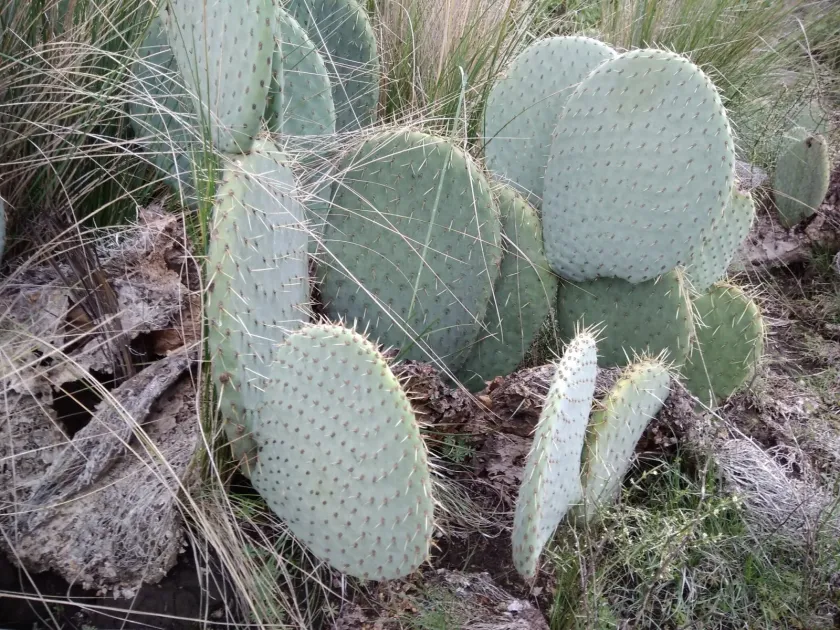
Description
Growing requirements
Opuntia heliabravoana belongs to the Cactaceae family. This species is native to the arid regions of Mexico, having evolved to thrive in environments characterized by extremely low annual precipitation and high thermal variability.
The crop requires well-drained, porous soils, ideally rocky or sandy substrates with a neutral to slightly alkaline pH. In agricultural management, it is critical to prevent waterlogging, as the root system is highly susceptible to rot under excessive soil moisture conditions.
This species demands full sun exposure throughout the growing season to maintain its physiological health. The ideal temperature range for active development is between +25°C and +35°C, although the plant is resilient to significant day-to-night temperature fluctuations.
In its natural habitat, the species is adapted to distinct wet and dry cycles. Commercial cultivation must mimic these seasonal patterns by providing a dormancy phase with restricted irrigation during cooler months to prevent physiological stress.
Agronomic practices focus on minimal fertilization and maintaining weed-free rows to ensure optimal growth of young cladodes. Propagation is primarily achieved through vegetative cloning by planting stem segments in a dry medium.
Main diseases and pests
Fungal infections remain the primary threat, particularly when humidity levels are improperly managed. Root rot is the most frequent cause of mortality in young plantations, often exacerbated by poor soil aeration.
Pest management focuses heavily on mealybugs, which frequently colonize the tender tissues of new segments. Additionally, the cactus moth represents a biological risk, as its larvae can bore into the succulent stem, causing significant structural damage.
Spider mites are another common challenge, causing corking and discoloration on the epidermis of the plant. Integrated pest management, including the targeted use of acaricides, is recommended for effective population control.
Phytosanitary practices necessitate the immediate removal and disposal of infected plant material to prevent the spread of pathogens. Maintaining adequate spacing between rows is a crucial preventive measure to facilitate air circulation.
While viral infections are less common in this specific species, insect vectors such as aphids should be monitored. Maintaining high crop hygiene and regular field inspections are essential for sustainable production.