
Carolina hemlock
Tsuga caroliniana
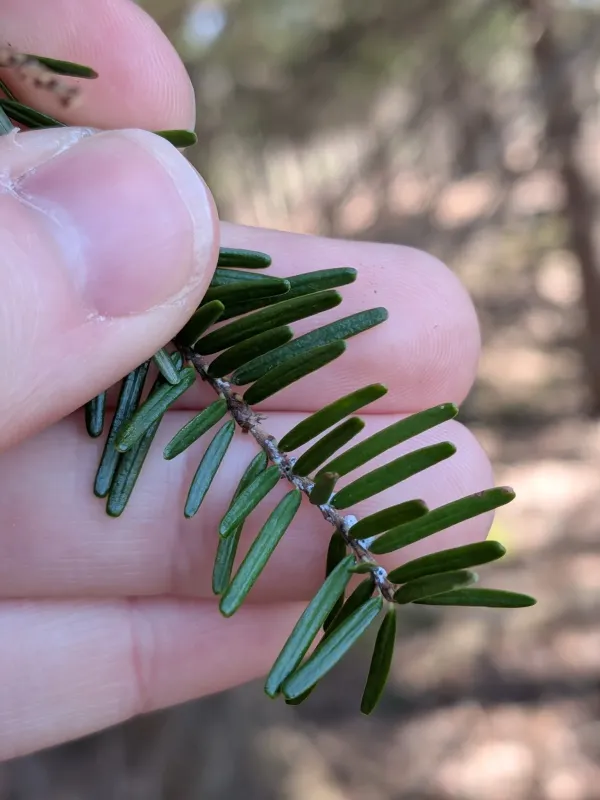
Description
Growing requirements
The Carolina hemlock (Tsuga caroliniana) is a majestic evergreen conifer native to the southern Appalachian Mountains, belonging to the Pinaceae family.
This species thrives in cool, moist, and well-drained acidic soils, preferring sheltered mountain slopes where the air remains consistently humid throughout the seasons.
While young trees benefit from partial shade to protect them from scorching, mature specimens can adapt to full sun exposure provided they have adequate ground moisture.
Botanically, it is distinguished by its dense, dark green needles and its elegant, pendulous branches that create a refined and graceful silhouette in garden settings.
It is widely appreciated for its hardiness, making it an excellent choice for ornamental landscaping in regions with temperate climates and cold winter conditions.
Main diseases and pests
The most significant threat to the health of the Carolina hemlock is the hemlock woolly adelgid (Adelges tsugae), a sap-sucking insect that causes widespread decline.
Apart from insect pests, the tree can suffer from various fungal pathogens if planted in sites with poor drainage or insufficient airflow within the foliage canopy.
Integrated pest management strategies, including chemical treatments or biological control methods, are essential for maintaining the vitality of these trees in urban landscapes.
Site selection is crucial: avoiding overly compacted or alkaline soil prevents root stress, which otherwise makes the tree more susceptible to opportunistic diseases.
Consistent monitoring and timely intervention with appropriate pesticides ensure that the tree remains vigorous and protected from the severe impact of infestation outbreaks.