
Verticordia monadelpha
Verticordia monadelpha
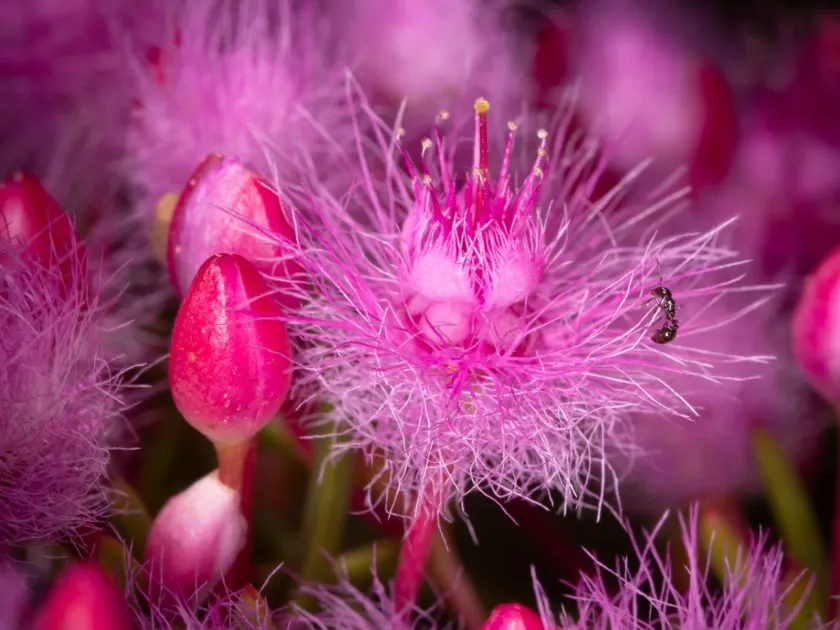
Description
Growing requirements
Verticordia monadelpha is a stunning evergreen shrub belonging to the Myrtaceae family. Native to Western Australia, it is highly regarded for its distinctive, feather-like flower heads that create a spectacular visual display in dry-climate gardens.
In terms of habitat, this species naturally occurs in sandy soils and gravelly plains. To grow it successfully, gardeners must replicate these arid conditions by providing excellent drainage and avoiding high-humidity environments that could lead to physiological stress.
Requirements for site selection include full sun exposure for at least six to eight hours a day. Sunlight is essential for maintaining the compact growth habit of the shrub and encouraging dense, vibrant flowering during the spring and summer seasons.
The soil should be nutrient-poor and low in phosphorus. Because this species is adapted to phosphorus-deficient soils, the application of standard garden fertilizers can be fatal. Only use fertilizers specifically formulated for Australian native plants.
Watering management is crucial. After the establishment phase, the plant becomes remarkably drought-tolerant. Irrigation should only be provided when the soil has dried out significantly, as stagnant water is the primary cause of plant failure in non-native climates.
Main diseases and pests
The most severe biological threat to Verticordia monadelpha is Phytophthora cinnamomi. This soil-borne pathogen causes root rot and can destroy mature specimens very quickly if drainage conditions are not optimal.
Pests such as aphids and spider mites can occasionally affect the young floral tips, particularly in glasshouse conditions where air movement is restricted. Frequent monitoring is necessary to catch infestations at an early stage.
Fungal issues like powdery mildew may arise if the plant is grown in areas with poor ventilation. Ensuring adequate spacing between plants and maintaining a clean, debris-free planting area will significantly reduce the risk of infection.
Nutrient deficiencies, specifically chlorosis, can occur if the soil pH is not maintained within the correct range. Regular testing of the growth medium is recommended to ensure that iron and other micronutrients are available for uptake.
Physical damage to the root system during weeding or heavy cultivation can introduce pathogens. Using a thick layer of inorganic mulch, such as coarse gravel, helps suppress weeds and protects the sensitive surface roots from mechanical stress.