
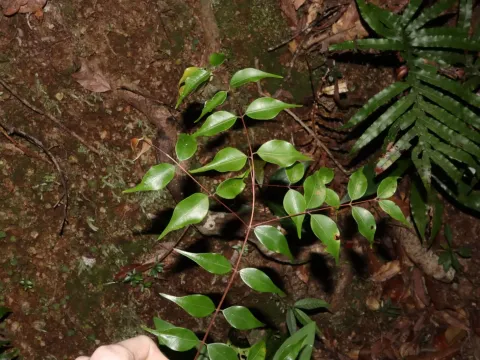
Uromyrtus
Uromyrtus
Uromyrtus is a genus of evergreen shrubs and small trees belonging to the Myrtaceae family. These plants are primarily native to the tropical regions of Australia, New Guinea, and New Caledonia, where they form part of the lush rainforest understory.
What the section contains


Uromyrtus
The cultural requirements for this plant include a warm, humid environment with minimal temperature fluctuations. Consistent high humidity is essential for the healthy physiological development of the foliage and overall growth rate.
A well-draining soil medium rich in organic matter is crucial for Uromyrtus. The pH of the soil should be maintained between slightly acidic to neutral to ensure optimal nutrient uptake and root health throughout the growing season.
In terms of light, Uromyrtus thrives in dappled shade conditions, mimicking its natural habitat beneath the forest canopy. Intense direct sunlight can cause leaf scorching, so providing appropriate shade during peak hours is a standard agronomic practice.
Agrotechnical management includes controlled irrigation to prevent waterlogging, which the root system is highly sensitive to. Periodic pruning is recommended to maintain the structure of the plant and encourage vigorous branching during the active growth phase.
Typical threats to Uromyrtus include various fungal diseases that thrive in overly damp conditions. Root rot and foliage spot diseases are common issues when air circulation is poor or when soil drainage is insufficient for the plant's needs.
Pests that frequently affect this genus include scale insects and mealybugs. These sap-sucking pests can weaken the plant by draining its nutritional reserves, leading to stunted growth and yellowing of the leaves if left uncontrolled.
Disease management strategies emphasize the prevention of fungal proliferation through proper spacing and sanitation. Keeping the plant canopy clear of dead organic material helps reduce the risk of pathogen colonization and ensures healthier foliage.
Monitoring the undersides of leaves is a vital part of integrated pest management for Uromyrtus. If an infestation occurs, early intervention using horticultural oils or soaps is often effective and preferred over harsh synthetic chemical applications.
Maintaining strong plant vigor through appropriate fertilization and stress reduction helps Uromyrtus withstand potential pest and disease pressure naturally. A healthy plant is inherently more resistant to external stressors and adverse environment factors.