
Uromyrtus australis
Uromyrtus australis
Description
Growing requirements
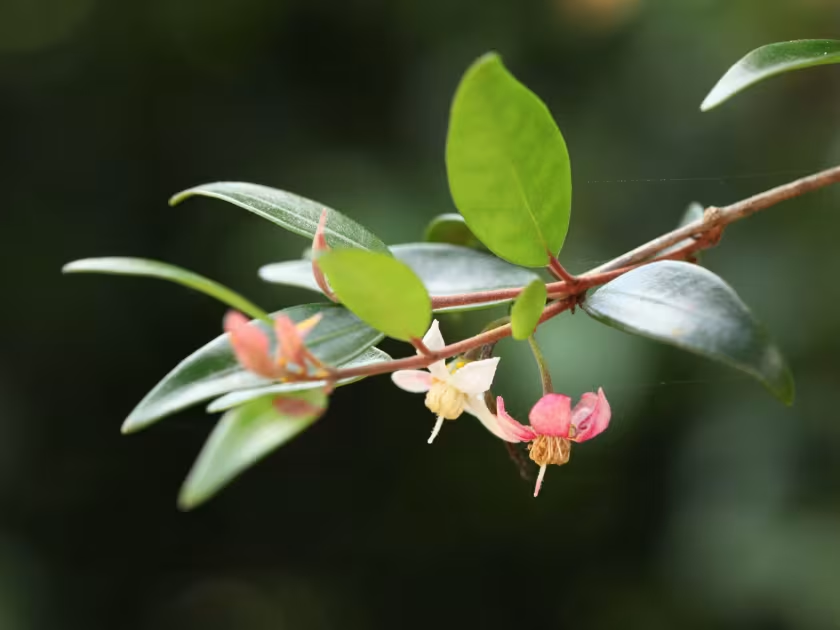
Uromyrtus australis is a distinctive member of the Myrtaceae family, native to the specialized rainforest environments of eastern Australia. It typically manifests as a small tree or evergreen shrub, highly valued for its dense foliage and unique ecological niche within its limited range.
Cultivation of this species requires an environment that mimics its natural forest floor habitat. This includes a stable, humid climate and protection from intense, direct solar radiation, which can easily scorch the sensitive, aromatic leaves typical of the genus.
Regarding soil preferences, the plant demands a well-draining, slightly acidic medium rich in organic matter. Waterlogging is the primary cause of cultivation failure, as the roots require consistent aeration to prevent the onset of anaerobic conditions and subsequent rot.
Agrotechnical management involves careful moisture control and moderate feeding schedules. Given its evolutionary history in nutrient-efficient environments, Uromyrtus australis performs best with light, balanced fertilization that avoids high phosphorus levels, which can be toxic to many native Australian species.
From an economic and scientific standpoint, the plant is primarily cultivated in botanical collections and nurseries specializing in rare flora. Its genetic preservation is of high priority, as the species faces pressures from habitat fragmentation and climate variability in the wild.
Main diseases and pests
The health of Uromyrtus australis is frequently compromised by fungal pathogens, specifically those causing root rot (Phytophthora species). These organisms thrive in overly wet, stagnant conditions, making drainage management the most critical aspect of the plant's long-term survival.
Insect pests such as scale insects and mealybugs represent a significant threat to the plant's structural integrity. These pests thrive in humid conditions, forming colonies on stems and leaf undersides, which weakens the plant and promotes the growth of secondary sooty mold.
Nutrient deficiency is another common issue, particularly in artificial substrates. If the pH levels of the soil become alkaline, the plant struggles to uptake iron and manganese, leading to visible chlorosis that stunts growth and reduces the plant's overall aesthetic value.
To mitigate these threats, a proactive integrated pest management strategy should be employed. Regular inspections during the spring and autumn growing seasons allow for the early detection of localized infestations, enabling manual removal before large-scale chemical intervention becomes necessary.
Maintaining proper air circulation around the canopy is essential to minimize the spread of airborne pathogens. Pruning dead or diseased wood helps to keep the plant robust and ensures that energy resources are redirected toward healthy, productive growth rather than tissue repair.