
Uromyrtus tenella
Uromyrtus tenella
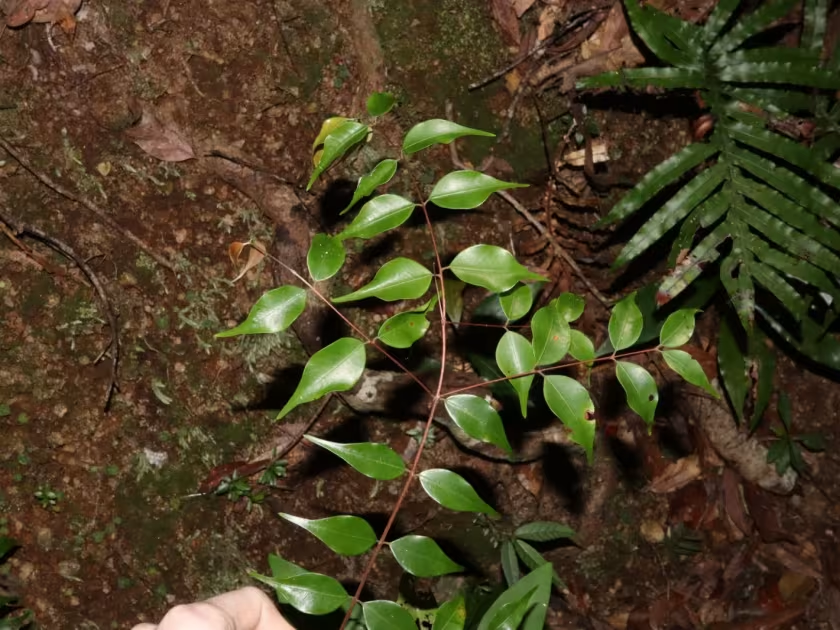
Description
Growing requirements
Uromyrtus tenella is an intriguing botanical specimen belonging to the Myrtaceae family, characterized by its delicate growth habit and specific ecological requirements.
The species originates from the tropical rainforests of New Guinea, thriving in habitats defined by high humidity and moderate canopy shade.
Agronomic success with this crop requires a controlled environment that mimics tropical conditions, specifically maintaining high atmospheric moisture and stable temperatures.
Soil requirements focus on organic-rich, acidic substrates that provide excellent drainage to ensure that the sensitive root system does not suffer from waterlogging.
Light management is a critical factor, as direct intense sunlight is detrimental to the plant, necessitating the use of artificial shading or north-facing exposure.
Main diseases and pests
Root rot, primarily caused by Phytophthora species, poses the most significant threat to plant health when cultivation occurs in poorly draining soils.
Foliar diseases, such as fungal spotting, occur frequently if air circulation is insufficient, leading to the rapid decline of the plant’s aesthetic and physiological state.
Pest pressures include infestations of spider mites and scale insects, which are attracted to the plant during periods of low humidity or physiological stress.
Integrated pest management protocols should be implemented early, focusing on biological controls and appropriate environmental adjustments rather than heavy chemical usage.
Maintaining optimal soil pH is essential for nutrient uptake and disease resistance, as nutrient deficiencies often manifest alongside localized bacterial infections.