
Tristaniopsis whiteana
Tristaniopsis whiteana
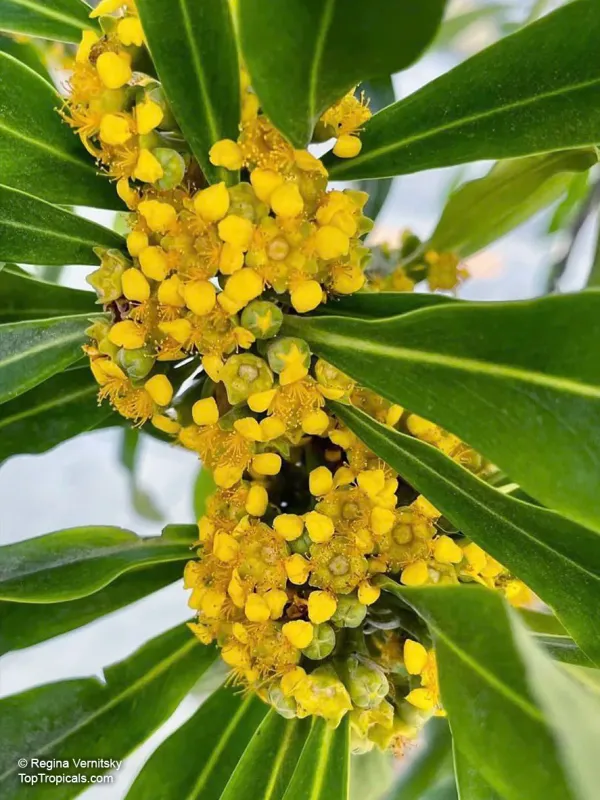
Description
Growing requirements
Tristaniopsis whiteana is a distinct evergreen tree belonging to the Myrtaceae family. It is widely recognized for its exfoliating bark, which peels away to reveal smooth, colorful textures, making it a highly desirable species for specialized botanical collections.
Originating from the tropical regions of Southeast Asia, this species thrives in climates with high humidity and consistent temperatures. It is adapted to diverse soil types but performs best in nutrient-rich, well-draining acidic or neutral substrates.
Cultivation requires careful site selection. The tree demands full sun exposure to maintain its dense foliage and healthy growth rate. Providing sufficient space is essential, as the tree can grow into a substantial specimen over time.
Agricultural management includes a balanced irrigation strategy. While the species is somewhat resilient, it requires adequate moisture during the establishment phase and protection from cold winds or frost, which are detrimental to its development.
In terms of usage, Tristaniopsis whiteana is primarily utilized for ornamental purposes in tropical landscaping. Its structural beauty and relative longevity make it an excellent choice for parks and botanical gardens where high visual interest is required.
Main diseases and pests
The primary threats include fungal pathogens such as root rot, which are often exacerbated by poor drainage or excessive soil moisture. Soil aeration is critical for long-term plant health.
Pest management should focus on monitoring for sap-sucking insects like scale insects and mealybugs. Regular inspections and the application of horticultural oils, if necessary, are effective measures to maintain tree vigor.