
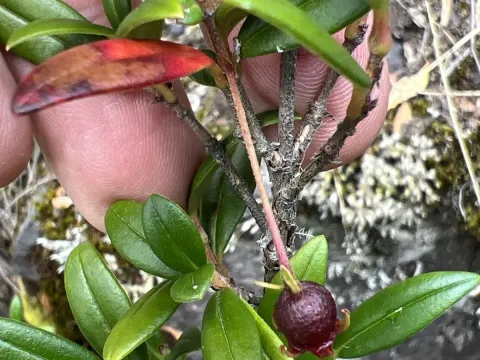
Ugni
Ugni Turcz.
Propagation of Ugni (Ugni molinae) is most effectively achieved through seeds or semi-hardwood cuttings. Seeds should be sown in late winter or early spring using a well-draining, lightweight seed-starting mix.
What the section contains

Ugni
The germination process for Ugni seeds can be slow and often unpredictable, lasting between one to three months. Maintaining a constant temperature of 20–22°C and high humidity is essential for success.
Using cuttings is the preferred method for commercial and home growers, as it produces plants that are identical to the parent and reach maturity much faster. Cuttings are best taken during the summer months.
When transplanting seedlings or rooted cuttings into the ground, ensure a spacing of at least 1 to 1.5 meters to allow for healthy airflow and crown development.
Young plants require protection from harsh weather conditions during their first season. Gradual exposure to sunlight and outdoor elements helps strengthen the plant's resilience.
Ugni is a evergreen shrub belonging to the Myrtaceae family, native to Chile and adjacent regions. It thrives best in maritime climates characterized by moderate temperatures and sufficient rainfall.
The shrub prefers acidic, organic-rich soil that must be well-drained. It cannot tolerate waterlogged conditions, which often lead to root decay and overall plant failure.
While the plant can withstand light frosts down to -10°C, it is generally considered a tender perennial. In colder regions, it is advisable to grow Ugni in pots that can be moved indoors during winter.
Regular watering is necessary, especially during the growth phase and dry summer spells. However, the surface of the soil should be allowed to dry slightly between watering sessions.
An ideal planting site provides full sun for part of the day, with protection from scorching afternoon heat. Proper ventilation is vital to prevent fungal diseases that affect the dense foliage.
The fruit of the Ugni is a small, spherical berry, typically ripening to a vibrant red or deep pink color. These berries are highly prized for their unique flavor, reminiscent of wild strawberries and guava.
A well-maintained, mature bush can produce a significant yield. Because the berries ripen over a period of time, the harvest window can be extended, providing fresh fruit over several weeks.
Culinary uses for Ugni berries are diverse. They are excellent for making preserves, jams, jellies, and flavorful toppings for desserts. The berries also impart a unique aroma to alcoholic beverages.
Economically, Ugni is becoming popular as a boutique crop for small-scale growers who supply high-end restaurants and specialty food markets with unique ingredients.
The fruit is rich in antioxidants and essential oils, adding a nutritional benefit to its strong culinary appeal and making it a sought-after item in local produce markets.
Common pests include spider mites and scale insects, which are particularly troublesome when the plant is kept in containers or under greenhouse conditions with low air circulation.
Fungal issues such as leaf spot and root rot are common in areas with poor drainage or insufficient ventilation. Preventive measures include proper spacing and regular sanitation.
Aphids may infest the young, tender shoot tips in the spring. Monitoring and early intervention with mild soaps or organic pesticides are usually sufficient to manage these infestations.
Root health is paramount; therefore, avoiding over-fertilization and ensuring soil aeration are key to keeping the plant vigorous and resistant to soil-borne pathogens.
Regular pruning is not only essential for shaping but also for thinning out dense growth, which reduces the humidity inside the canopy and discourages the spread of mildew.
Harvesting usually takes place in late summer or autumn when the berries are soft and have developed their characteristic deep red color and intense fragrance.
The harvest should be performed carefully by hand. Since the fruit is quite delicate, it is prone to bruising, which reduces its shelf life and market value.
Harvesting on a dry day is crucial, as wet berries are highly susceptible to rapid decay and fungal spoilage after picking. Storage should be in a cool, ventilated environment.
For long-term storage, the berries are best kept frozen, as they maintain their aroma and structure well. Fresh consumption or immediate processing is recommended for best results.
- Pick only the fully colored berries to ensure the best sweetness.
- Use shallow containers to prevent the weight of the berries from crushing those at the bottom.
- Check the bushes frequently, as birds may also find the ripe berries quite attractive.