
Bay rum tree
Pimenta racemosa (Mill.) J. W. Moore
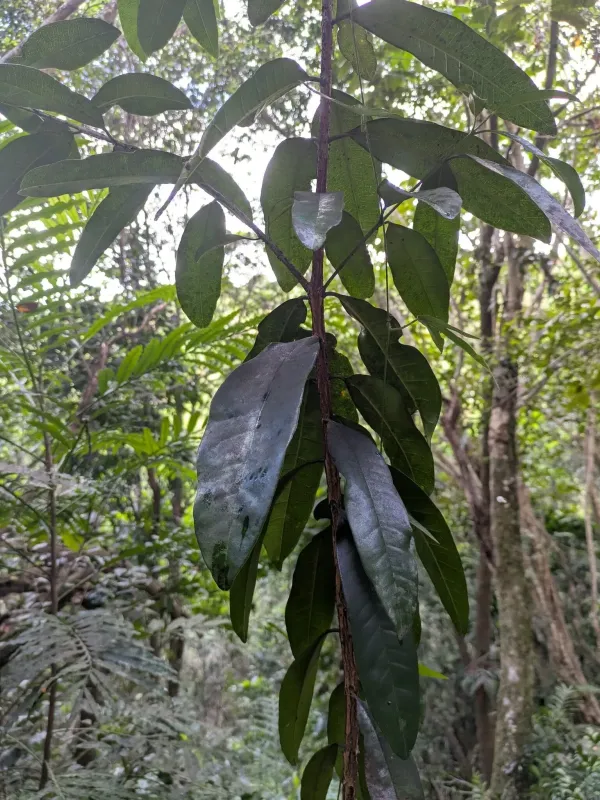
Description
Sowing dates
The Bay rum tree (Pimenta racemosa) is propagated primarily through seeds or vegetative cuttings. Seeds should be sown in a well-draining, nutrient-rich substrate under controlled greenhouse conditions to ensure steady germination.
Seedlings are transferred to nursery pots once they reach a height of 15–20 cm. Proper hardening-off is essential before transplanting them into the field, as young plants are sensitive to direct sun and temperature fluctuations.
Vegetative propagation via cuttings is preferred in commercial plantations. This method ensures that the offspring retain the high oil-yield characteristics of the parent tree, maintaining consistency in the final product.
Planting density is typically determined by the intended harvesting method. A standard spacing of 4x4 meters is common, which allows for sufficient canopy development and easier access during the harvesting process.
Being a member of the Myrtaceae family, this evergreen tree thrives in tropical environments. It requires a long-term management plan, as the tree can remain productive for several decades under optimal conditions.
Growing requirements
Pimenta racemosa requires a warm, humid tropical climate to flourish. The tree is highly intolerant of frost and cold winds, which restricts its cultivation to equatorial and tropical maritime regions.
Well-draining soils are essential for the health of the root system. While the tree appreciates consistent soil moisture, it cannot withstand waterlogged conditions, which often lead to severe root diseases.
High levels of solar radiation are necessary to stimulate the synthesis of essential oils in the foliage. Trees grown in partially shaded areas often exhibit lower oil concentrations and reduced growth rates.
Consistent rainfall or supplemental irrigation is required during the dry seasons to prevent moisture stress. Adequate water availability during the growth phase is vital for maximizing biomass production.
The tree responds well to regular applications of organic matter and balanced fertilizers. Nutrient management should focus on maintaining overall tree vigor and supporting rapid leaf regeneration after harvest.
Yield
The primary economic product is the foliage, which is distilled to produce "bay oil." This essential oil is highly valued in the perfume and cosmetic industries for its complex, spicy, and woody aroma.
Harvesting frequency depends on the tree's health and environmental conditions. Regular pruning not only yields leaves for distillation but also promotes denser canopy growth for future harvests.
Oil yield per hectare is influenced by the genetic quality of the trees, soil fertility, and the timing of the harvest. Younger leaves and shoots often provide a higher quality of aromatic profile.
Industrial steam distillation is the standard method for extracting the oil. The process must be carried out promptly after harvest to ensure the highest quality and purity of the essential oil.
Post-harvest management involves cleaning and sorting the leaf material. Removing impurities is essential to maintain the quality standards required by global trade markets for natural essential oils.
Main diseases and pests
Root rot, caused by various fungal pathogens, is the most common threat in poorly drained soils. Prevention through site selection and proper irrigation management is critical for plantation success.
Scale insects and aphids can become significant pests, infesting the underside of leaves. These insects suck plant sap, leading to reduced vigor and potentially lowered essential oil production.
Biological control is strongly encouraged to manage pest populations without compromising the organic integrity of the crop. Introducing natural predators helps keep pest numbers below the economic threshold.
Leaf spot diseases may occur in overly dense plantations with poor air circulation. Regular pruning to open up the canopy improves airflow and significantly reduces the risk of fungal infections.
Effective quarantine and using only certified disease-free planting stock are vital to prevent the introduction of viral or severe fungal pathogens that could threaten an entire plantation.
Harvesting
Leaves are harvested throughout the year, with peak periods often coinciding with the end of the rainy season. This timing ensures that the leaves are at their most aromatic state before distillation.
Manual or mechanized harvesting involves cutting specific branches. Care is taken to leave enough canopy to ensure the tree can continue to grow and replenish its foliage for subsequent harvest cycles.
Collected leaves must be handled carefully to avoid crushing, which can trigger premature release and oxidation of the essential oils. Proper ventilation during transport to the distillery is mandatory.
Small-scale operations often utilize traditional cutting tools, while larger plantations may employ specialized machinery. Efficiency during the harvest-to-distillation window is a key factor in product quality.
By-products from the distillation process, such as spent leaf material, are often recycled as organic mulch or compost. This practice supports soil health and reinforces the sustainable nature of the crop.