
Allspice
Pimenta dioica (L.) Merr.
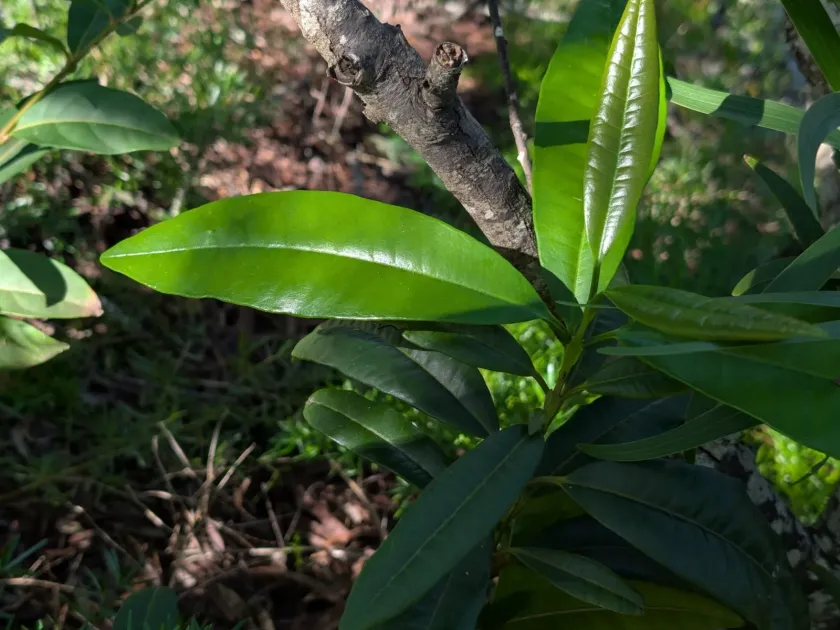
Description
Sowing dates
Allspice (Pimenta dioica) is an evergreen tree belonging to the Myrtaceae family. Propagation is primarily achieved through seeds, which must be sown shortly after extraction from ripe fruits to maintain high viability levels.
The seeds are sown in specialized nursery beds or containers filled with a fertile, well-draining organic medium. A light covering of soil is applied, and the environment is kept consistently moist until germination occurs.
Seedlings remain in the nursery for approximately 6 to 12 months. This period allows the plants to develop a robust root system and sufficient vegetative growth before they are transplanted into the open field.
When planting in orchards, trees should be spaced at intervals of 6 to 8 meters. This layout provides adequate space for canopy expansion and ensures sufficient air circulation, which is vital for disease prevention.
The ideal time for transplanting is the start of the wet season, as regular rainfall helps the young trees establish themselves in the soil without the stress of extreme heat or drought.
Growing requirements
As a tropical plant, allspice requires a warm and humid environment to thrive. It is highly sensitive to cold, and temperatures falling below 10 degrees Celsius can cause severe damage or tree mortality.
The preferred soil type is a deep, fertile, and well-draining loam. Excessive water retention in the root zone must be avoided at all costs, as it quickly leads to root rot and other fungal pathologies.
A consistent annual rainfall of 1500–2500 mm is generally sufficient for the crop. Although the trees are somewhat resilient, consistent moisture is necessary to support the production of the oils that give the spice its aroma.
Full sun exposure is crucial for adult trees. While seedlings benefit from partial shade to protect them from scorching, mature trees require ample light to maximize the synthesis of essential oils in the leaves and fruits.
A neutral to slightly acidic soil pH is preferred for optimal nutrient uptake. Regular monitoring of the soil structure and nutrient levels is recommended to ensure the long-term health of the plantation.
Yield
Allspice trees generally start producing commercial quantities of fruit between 5 and 7 years of age. However, they reach peak production only after 10 to 15 years, reflecting the slow-maturing nature of the species.
An average mature tree can yield approximately 2 to 5 kilograms of dried allspice berries per season. Yields can fluctuate based on environmental stressors, soil quality, and the specific variety being cultivated.
Pollination is predominantly entomophilous, relying on native insect populations. Maintaining local biodiversity around the plantation is therefore an essential strategy for ensuring consistent fruit set.
The economic lifespan of an allspice orchard is quite long, often spanning several decades. This makes it a sustainable crop for farmers in suitable tropical zones who focus on quality management.
Careful processing of the yield is just as important as cultivation. High-quality berries that are properly dried fetch significantly higher market prices, highlighting the importance of post-harvest care.
Main diseases and pests
The most significant threat to allspice production is the rust fungus Puccinia psidii. This pathogen can cause severe damage to leaves and inflorescences, potentially decimating the entire annual crop.
Common pests include scale insects and spider mites. These organisms feed on the sap, causing leaf yellowing and general tree decline, which in turn makes the plant more susceptible to secondary infections.
Poorly drained soils encourage the development of soil-borne pathogens, such as Phytophthora species, which target the root system. Proper field drainage is the primary defense against such threats.
Integrated Pest Management (IPM) practices are recommended to reduce the reliance on chemical pesticides. This includes the use of biological controls, regular monitoring, and proper sanitation of the orchard.
Pruning is an essential maintenance task. By removing diseased or dead branches, farmers can improve airflow through the canopy, reducing the humidity levels that favor fungal growth.
Harvesting
The timing of the harvest is critical for the flavor profile. Berries must be harvested while they are still green and firm, shortly before they begin to ripen and turn black, as this is when their essential oil content is highest.
Harvesting is performed by picking the berry clusters by hand. Care is taken to avoid snapping the small, brittle branches, as these are where next year's fruit-bearing structures develop.
After harvesting, the berries are separated from the stems. This labor-intensive process requires workers to be cautious so as not to damage the berry skin, which would cause the essential oils to dissipate.
Sun-drying is the traditional method used to process the harvest. The berries are spread on drying mats or concrete platforms and are stirred frequently to ensure uniform drying and prevent the development of mold.
Once the moisture content is reduced to approximately 10–12 percent, the berries are fully cured. They are then cleaned of any debris, graded by size, and packaged for export or distribution.