
Pilidiostigma glabrum
Pilidiostigma glabrum
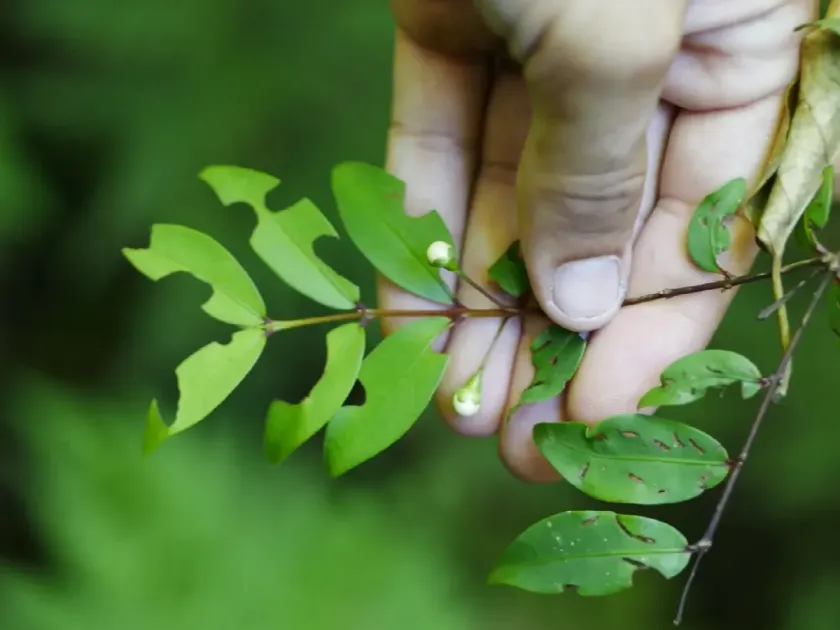
Description
Sowing dates
Propagation of Pilidiostigma glabrum is typically achieved through seeds or stem cuttings in specialized nursery settings that provide controlled conditions.
Seeds require a well-draining, nutrient-rich substrate and must be kept at consistently warm temperatures to ensure a successful germination rate.
During the early growth stages, seedlings are particularly sensitive to environmental changes and should be protected within a greenhouse environment.
For vegetative propagation, semi-hardwood cuttings are often treated with rooting hormones before being placed in high-humidity propagation chambers.
Young plants are gradually acclimatized to outdoor conditions once they develop a robust root system and demonstrate sufficient resilience to environmental stress.
Growing requirements
As a member of the Myrtaceae family, this species thrives in tropical and subtropical climates, favoring locations with high ambient temperatures.
The plant requires full sun to partial shade, with adequate shelter from strong, drying winds that can cause leaf scorch and damage growth.
Soil requirements include excellent drainage and a balanced level of organic matter, with a preference for slightly acidic to neutral pH levels.
Consistent irrigation is vital for the health of Pilidiostigma glabrum, as it cannot tolerate prolonged periods of drought during the growing season.
Maintaining high humidity around the plant is essential, especially in drier environments, to ensure proper flower development and fruit set.
Yield
Pilidiostigma glabrum produces small, edible fruits that are appreciated for their unique flavor profile and nutritional profile characteristic of the Myrtle family.
Yield productivity is significantly influenced by the level of sun exposure, pruning practices, and the overall fertility management of the orchard.
Regular pruning is recommended not only to shape the shrub but also to promote the growth of new fruiting wood, thereby increasing future harvest potential.
The fruits can be consumed fresh or processed into artisanal foods, which represents a growing interest in this species as a niche fruit crop.
With careful management, the species shows potential for sustainable cultivation, providing consistent harvests for local markets or niche culinary uses.
Main diseases and pests
The primary threats to this culture are fungal infections, which are frequently triggered by poor air circulation and excessive moisture in the canopy.
Pests such as scale insects and mealybugs are common, often clustering on the undersides of leaves and at the nodes, depleting the plant's vitality.
Integrated pest management strategies, combining cultural practices with targeted organic or chemical treatments, are recommended for large-scale operations.
Monitoring for signs of leaf spots or discoloration is critical, as these are often the first indicators of emerging disease or pest pressures.
Maintaining orchard hygiene, such as removing fallen debris and thinning crowded branches, is an essential preventative measure against major outbreaks.
Harvesting
Fruit harvesting is performed manually to ensure that the delicate skin of the ripe berries remains intact, preventing rapid post-harvest degradation.
Since fruit maturation often occurs in phases, multiple picking sessions are required throughout the season to ensure optimal fruit quality.
Post-harvest handling is critical; fruits should be stored at cool temperatures to maintain freshness and minimize respiratory losses.
Packaging must provide sufficient ventilation to prevent moisture accumulation, which could otherwise lead to rapid fungal spoilage during transport.
Efficient logistics from the field to the storage or processing facility ensure that the high quality of the harvest is preserved for the end consumer.