
Pilidiostigma tetramerum
Pilidiostigma tetramerum
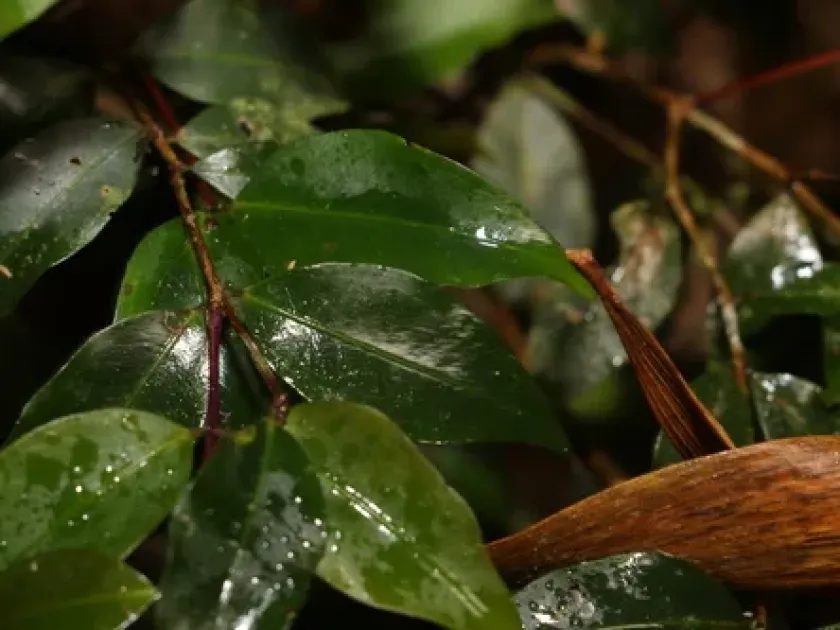
Description
Growing requirements
Pilidiostigma tetramerum is a shrub or tree belonging to the Myrtaceae family, native to the lush subtropical regions of Queensland, Australia. This evergreen plant is highly regarded for its botanical uniqueness and potential for integration into specialized horticultural production.
It requires well-draining, nutrient-rich soil to thrive, ideally with a high organic matter content. Soil acidity should be monitored to ensure it remains within a range conducive to the plant's natural habitat, supporting optimal nutrient uptake and root development.
The climate requirements for this species are strict, necessitating high humidity and consistent tropical temperatures. It is highly intolerant of frost, meaning cultivation outside of its native range requires climate-controlled facilities such as greenhouses or conservatories.
Agronomic management involves maintaining consistent moisture levels while avoiding waterlogging, which the species finds detrimental. Periodic fertilization during the active growth phase is essential for maintaining the vigor of the foliage and promoting consistent fruit set.
Its economic significance stems from its use as an ornamental feature in landscape design and its potential as an exotic fruit crop. The plant's ability to adapt to container gardening also makes it a valuable asset for niche agricultural markets.
Main diseases and pests
The primary threat to Pilidiostigma tetramerum is root rot caused by stagnant water or compacted soil. Such conditions facilitate the proliferation of soil-borne pathogens that compromise the plant's structural integrity and ability to transport water.
Pest pressures primarily include scale insects and mealybugs that congregate on new growth. These pests extract sap, weakening the plant and encouraging the development of secondary infections, such as sooty mold on the foliage surfaces.
Management strategies involve regular monitoring and the use of targeted horticultural oils or insecticides when necessary. Maintaining a clean cultivation environment, free from debris where pests could shelter, is a fundamental aspect of integrated pest management.
Pruning is critical not only for shape but also for health, ensuring that the inner canopy receives adequate airflow to reduce humidity-related fungal risks. Thinning out overgrown branches significantly decreases the likelihood of leaf spots and mildew.
In conclusion, successful production relies on a holistic approach to plant health. By managing environmental stresses and conducting routine inspections, growers can mitigate the impact of common diseases and ensure the longevity of the plantation.